This blog post may contain affiliate links. I may earn a small commission for any purchases made through these links. Click here for the disclosure statement.
Strasbourg is a city best known for its picturesque half-timbered houses, winding canals, and charming Christmas markets, but there’s another reason to visit the capital of Alsace: its food.
Located along the French-German border, Strasbourg has a culinary identity quite unlike anywhere else in France. Traditional Alsatian cuisine draws on centuries of French and German influences. It combines the richness and refinement of French cooking with the comforting flavors of German cuisine.
After more than five years of living in Strasbourg, I’ve had plenty of time to eat my way through the local food scene. I’ve tried just about every tarte flambée in the city. I’ve savored slow-cooked stews at some of Strasbourg’s most iconic restaurants. And I’ve munched on more than a few freshly baked bretzels alongside a good Alsatian beer. Along the way, I’ve discovered which local specialties are truly worth trying.
If you’re wondering what to eat in Strasbourg, these are 10 traditional Alsatian foods you won’t want to miss during your visit.
What is Traditional Alsatian Food?
Alsatian food is a distinctive regional cuisine shaped by Alsace’s location between France and Germany. While you’ll find plenty of familiar French ingredients, traditional Alsatian dishes tend to be particularly hearty, with an emphasis on pork, potatoes, cabbage, cream, cheese, and locally produced white wine.
Some of the region’s most legendary specialties include choucroute garnie, tarte flambée, and baeckeoffe, although Alsatian cuisine extends well beyond these celebrated dishes. And while Alsatian food is ideal during the colder months, much of it can be enjoyed year-round.
10 Best Traditional Alsatian Foods to Try in Strasbourg
1. Tarte Flambée
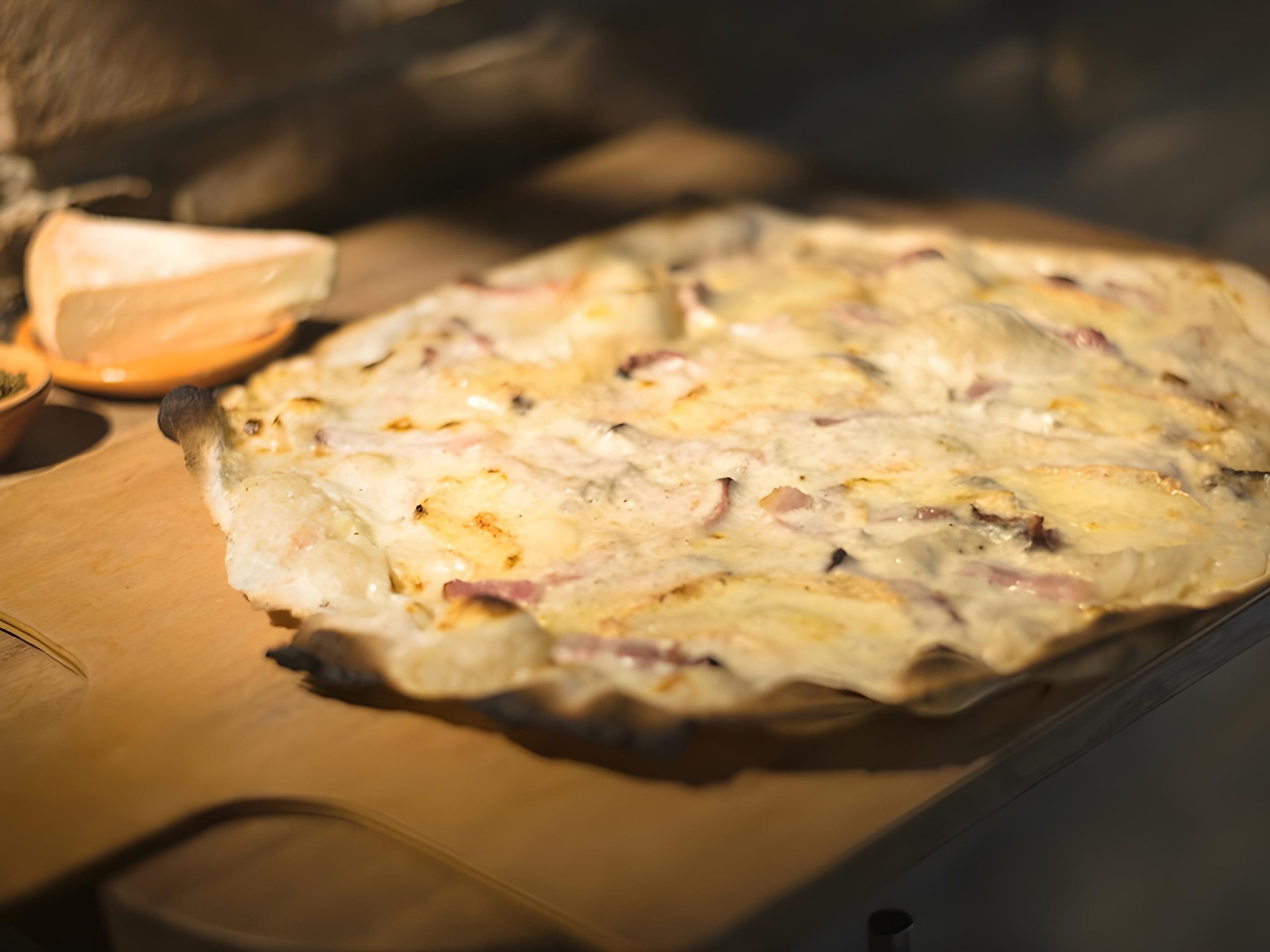
If there’s one dish you absolutely must try in Strasbourg, it’s tarte flambée, also known as flammekueche. Whenever friends or family come to visit me, it’s always one of our first stops.
Often compared to pizza, this Alsatian specialty consists of a super thin layer of dough topped with crème fraîche or fromage blanc, thinly sliced onions, and lardons (small pieces of bacon). It’s baked at a high temperature until the crust becomes beautifully crisp, with slightly charred edges.
The classic version, known as tarte flambée nature, is wonderfully simple, but there are also variations topped with mushrooms, grated cheese, or Munster cheese.
Unlike pizza, tarte flambée is normally enjoyed as a dish to share. Rather than everyone ordering their own, it’s common to start with one or two for the table, eat them fresh from the oven, and order more as you go. Your waiter will come back to see if you’d like another, and the meal continues until everyone has had their fill.
Ask any local where to find the best tarte flambée in Strasbourg, and you’re likely to get a different answer. I’ve tried my fair share over the years and rounded up my favorites in my guide to the best tarte flambée in Strasbourg.
Where to Eat Tarte Flambée: Binchstub Gayot, 6 Rue du Tonnelet Rouge, 67000 Strasbourg
2. Choucroute Garnie
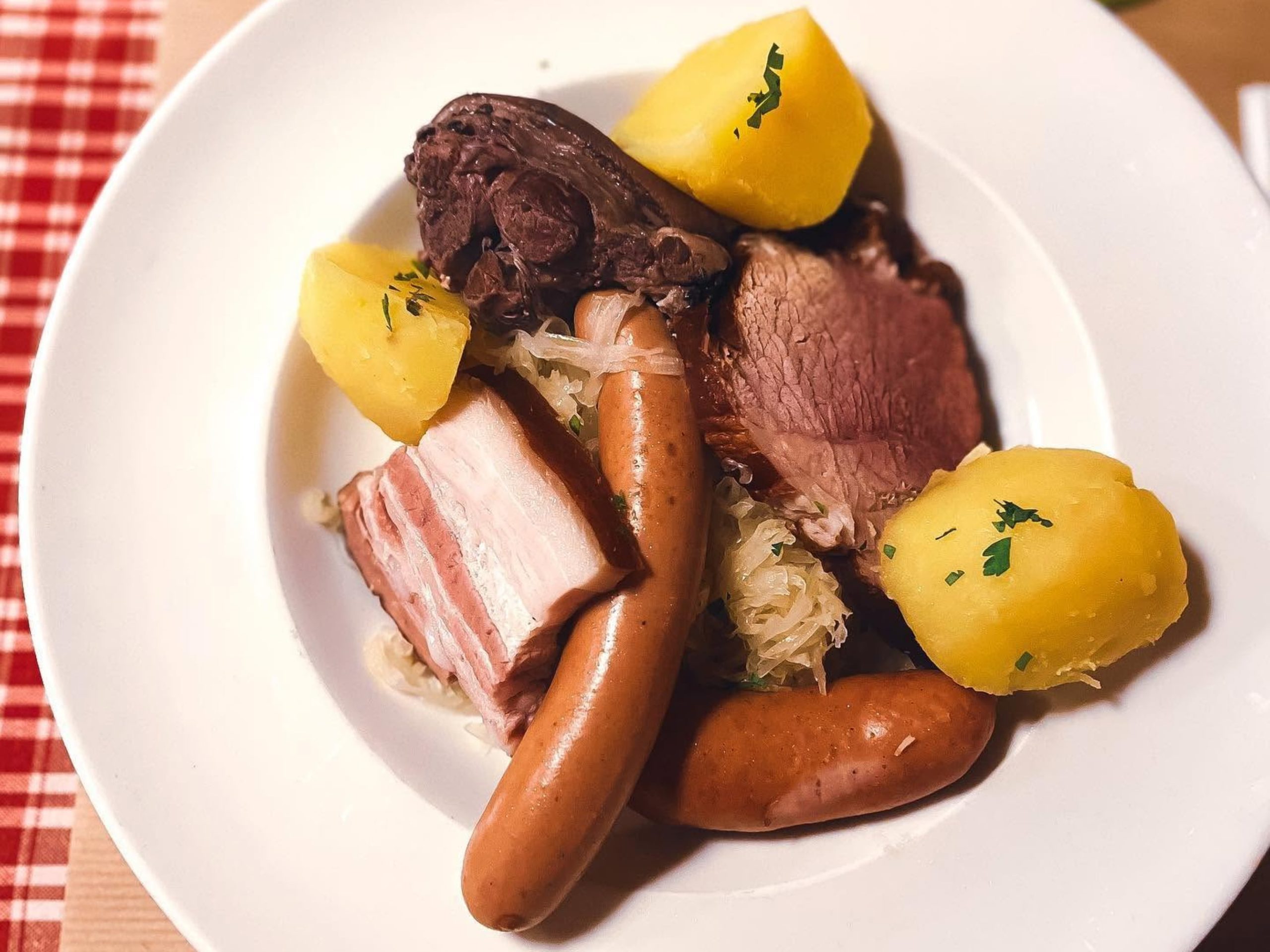
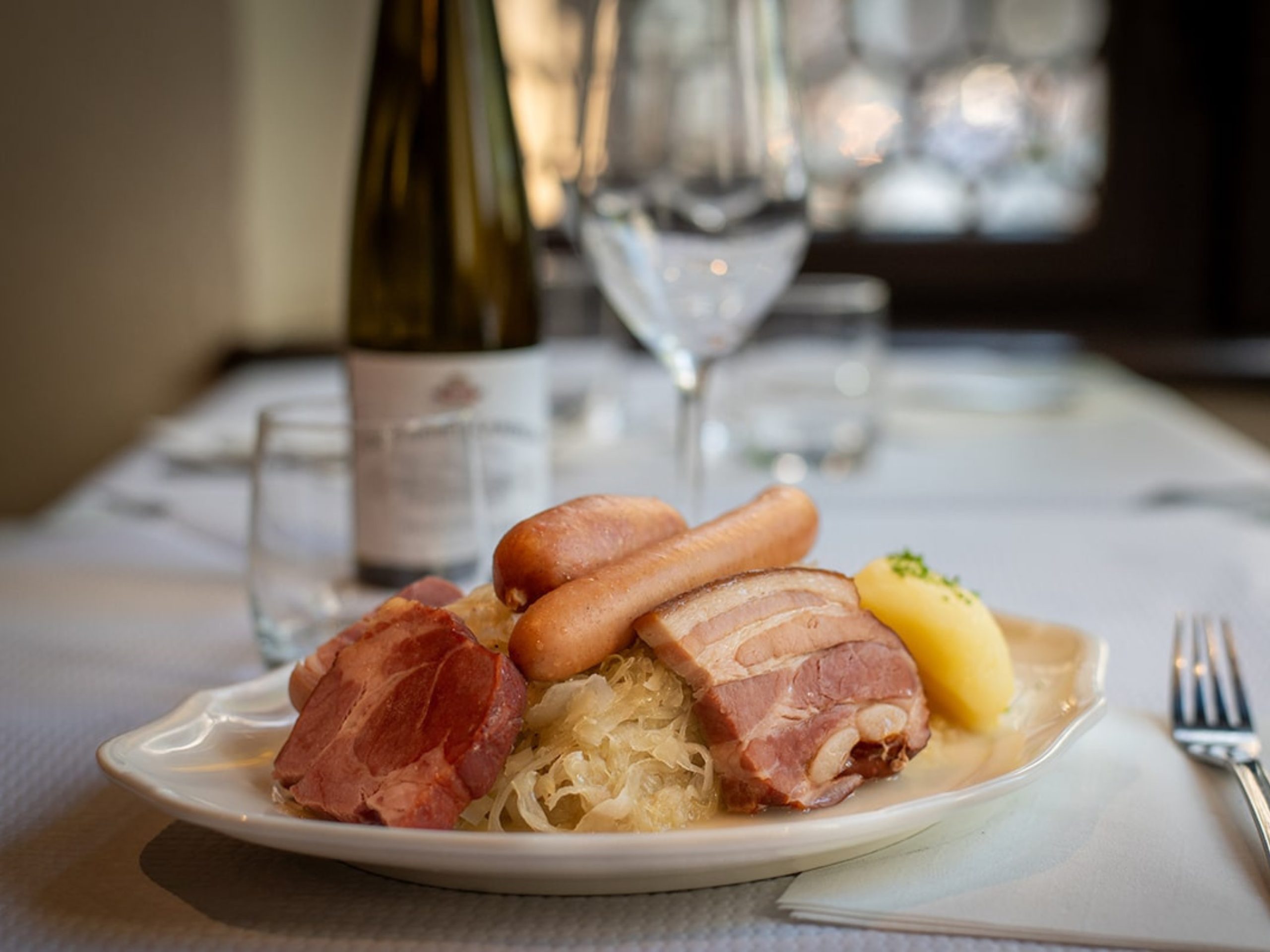
Perhaps the most famous Alsatian food specialty, choucroute garnie is a substantial dish of fermented cabbage served with an assortment of sausages, smoked meats, and potatoes.
The cabbage is typically slow-cooked with Alsatian white wine, often Riesling, along with aromatic spices such as juniper berries and bay leaves. It’s then piled high with charcuterie, including Strasbourg sausages, smoked pork, and other cuts of meat.
The result is a dish that’s rich and savory, with the cabbage providing just enough acidity to balance the meat. Miam! Choucroute garnie is especially popular during fall and winter. Around this time of year, many of Strasbourg’s top restaurants fill up with visitors and locals alike.
Where to Eat Choucroute Garnie: Saint-Sépulcre, 15 Rue des Orfèvres, 67000 Strasbourg
3. Baeckeoffe
Few Alsatian dishes come as close to home cooking as baeckeoffe. This comforting casserole is made with layers of potatoes, onions, vegetables, and several types of meat, traditionally pork, beef, and lamb, marinated in Alsatian white wine.
The ingredients are arranged in a ceramic terrine and slowly cooked in the oven until the meat becomes tender and the flavors meld together. The name baeckeoffe translates roughly to “baker’s oven,” a reference to the old custom of bringing the prepared casserole to the village baker to cook in the residual heat of the bread oven.
Today, it remains a staple of Alsatian cooking and a dish worth seeking out if you’re visiting Strasbourg in winter.
Where to Eat Baeckeoffe: Le Tire-Bouchon, 5 Rue des Tailleurs de Pierre, 67000 Strasbourg
4. Spätzle
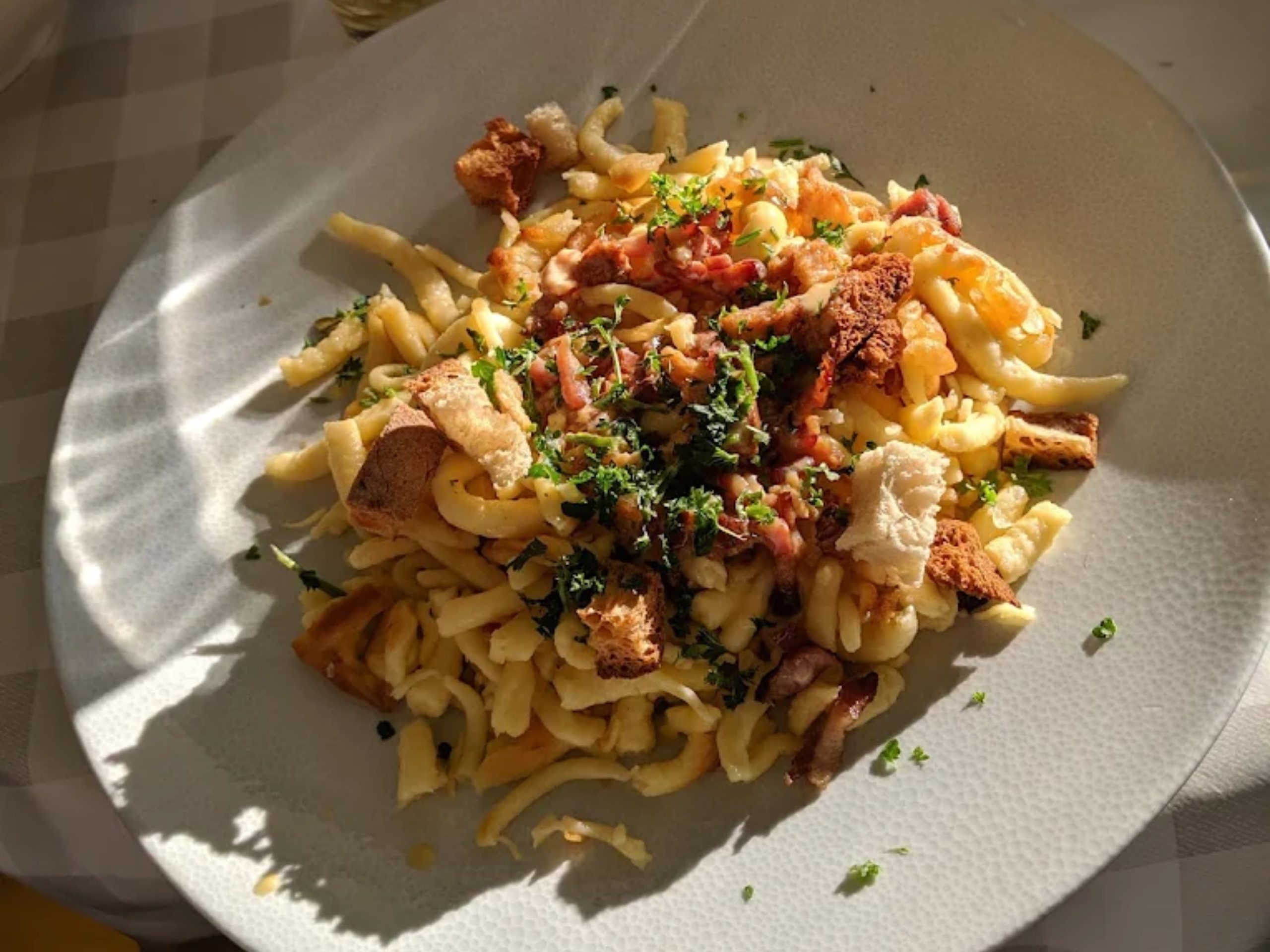
If you’re familiar with German or Austrian cuisine, you may already have encountered spätzle: small, irregularly shaped egg noodles that are also a staple of Alsatian cooking.
Made from a simple mixture of flour, eggs, and water or milk, spätzle has a tender texture that falls somewhere between pasta and dumplings. They’re typically boiled before being tossed in butter, although some preparations involve lightly pan-frying them until the edges turn golden.
In Strasbourg, spätzle is most often served as a side dish, alongside meat dishes with rich sauces. However, they can also be a main course, often prepared with cheese, cream, bacon, or other ingredients.
Where to Eat Spätzle: La Corde à Linge, 2 Place. Benjamin Zix, 67000 Strasbourg
5. Bretzel
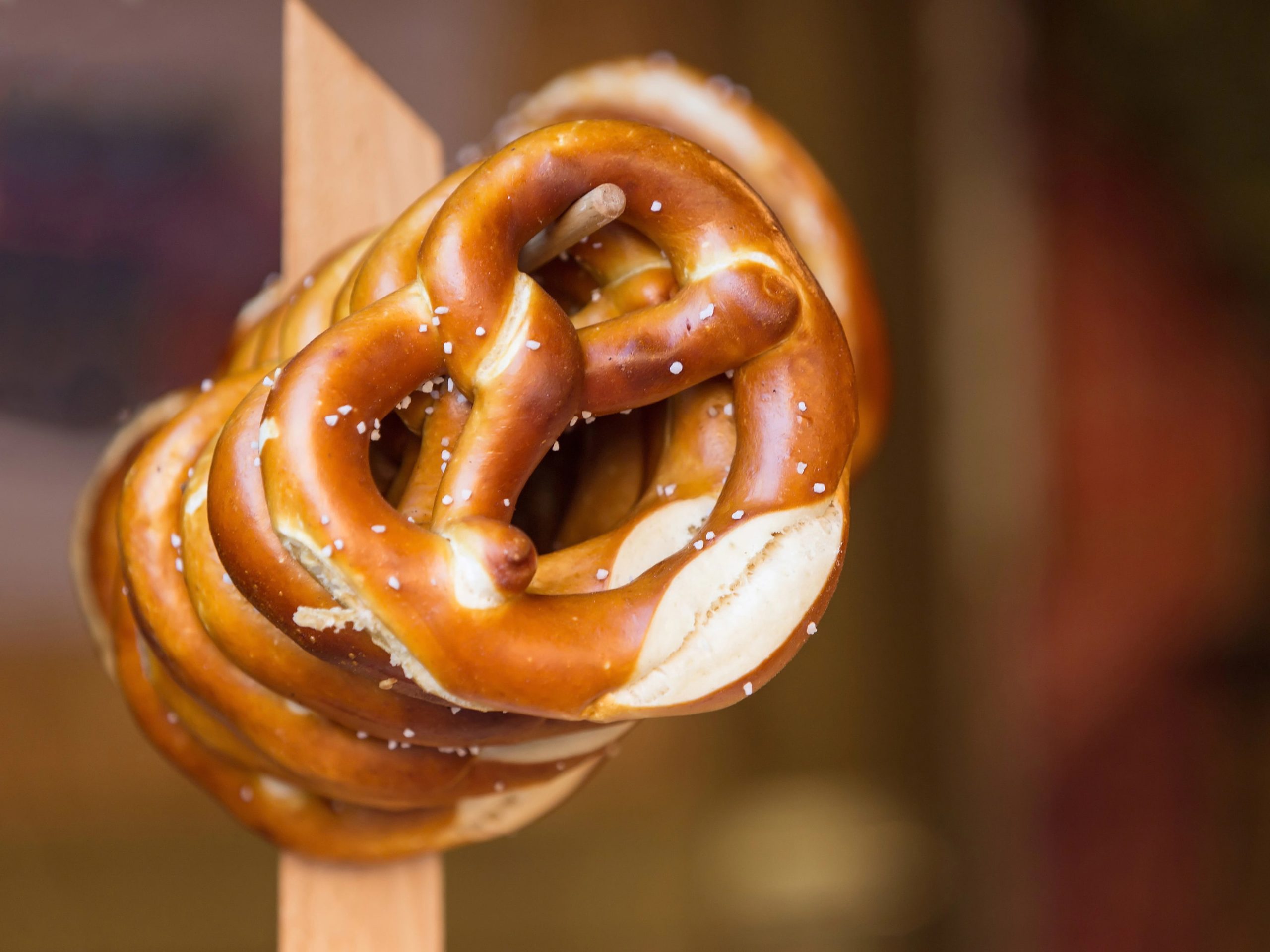
You can’t spend much time wandering through Strasbourg without coming across a bretzel. It’s become something of a symbol of Alsace, popping up on everything from bakery signs to souvenirs throughout the city. One of the most recognizable Alsatian specialties, bretzels are sold in bakeries, markets, and bars all over Strasbourg.
Unlike the crunchy packaged pretzels you might be familiar with, Alsatian bretzels (with a “b”) have a soft, slightly chewy interior and a deep golden-brown crust. They’re typically sprinkled with coarse salt, although variations coated with grated cheese, seeds, or other savory toppings are also common.
I don’t tend to eat bretzels on a regular basis, but I’ll occasionally order one when I’m out at a bar. There’s nothing quite like a salty baked bretzel to go with a pint of Alsatian beer.
Where to Eat Bretzel: Les 3 Ptis Cochons, 24 Rue d’Austerlitz, 67000 Strasbourg
6. Munster Cheese
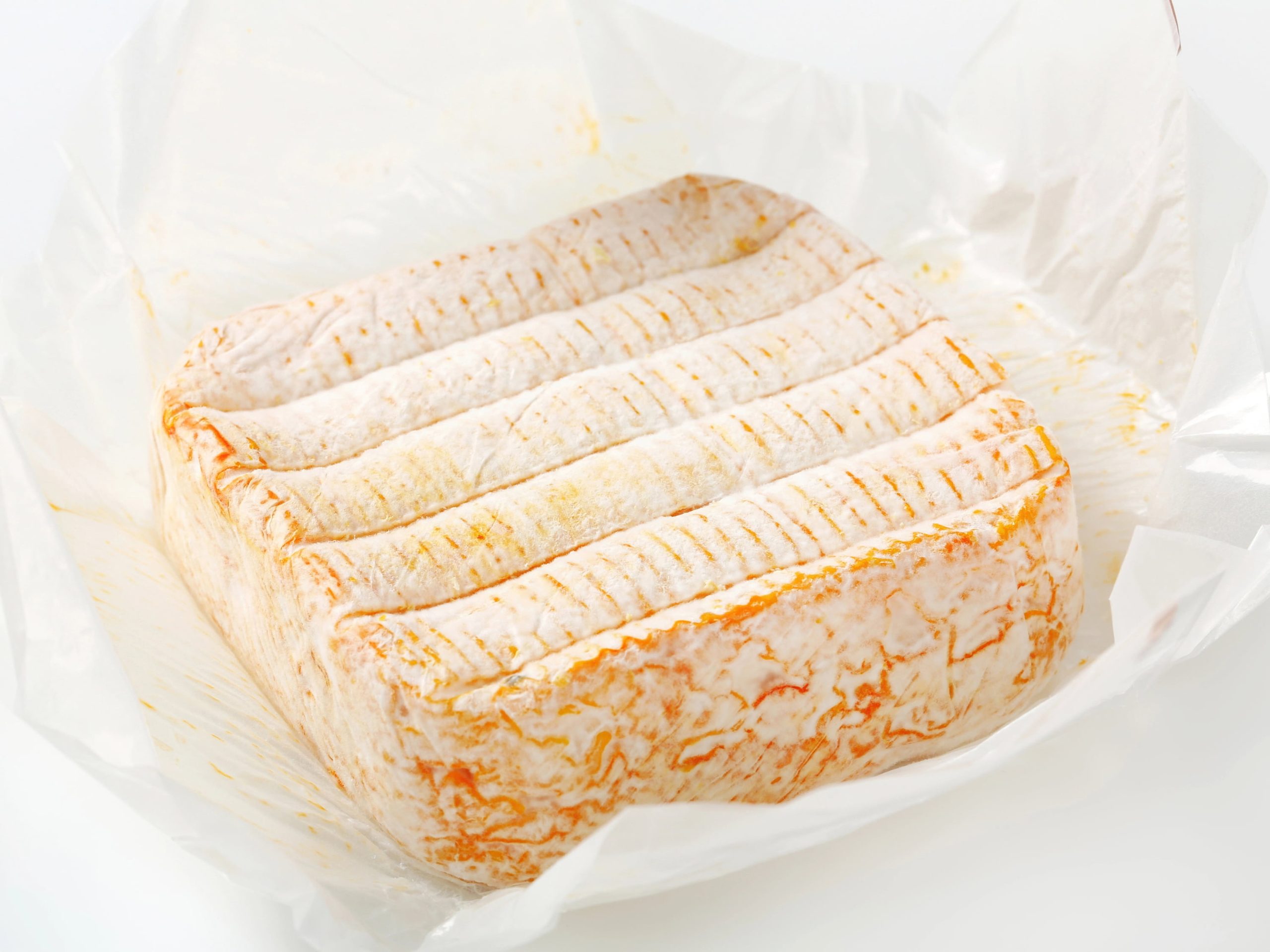
France is famous for its cheese, and Alsace has a very distinctive contribution: Munster.
Produced in the Vosges Mountains, Munster is a soft, washed-rind cow’s milk cheese with a creamy interior and a characteristic orange rind. It’s known for its powerful aroma, although the flavor can be surprisingly mild, especially when the cheese is young.
And I can confirm that it really is pungent! Whenever someone orders a tarte flambée topped with Munster at a restaurant, you can usually smell it the moment it passes your table.
Traditionally, Munster is eaten with bread, sometimes accompanied by caraway seeds that complement its rich, earthy flavor. It’s also incorporated into local dishes like tarte flambée or melted over potatoes.
And if, like me, you’re not extremely fond of strong cheeses, I’d recommend buying a small portion from a fromagerie before committing to an entire dish. My favorite cheese shop in Strasbourg is La Cloche à Fromage, where you can pick up a little Munster to try for yourself.
Where to Eat Munster Cheese: La Cloche à Fromage, 32 Rue des Tonneliers, 67000 Strasbourg
7. Fleischschnacka
One of the lesser-known regional foods from Alsace, fleischschnacka is a specialty that goes beyond the usual tourist favorites. The name translates roughly to “meat snails,” a reference to the spiral shape of these savory rolls.
Fleischschnacka are made by spreading a seasoned meat filling over a thin sheet of noodle dough, rolling it up, and slicing it into thick spirals. The slices are then cooked, often browned in a pan and simmered in broth, and served with salad or a sauce.
Where to Eat Fleischschnacka: Le Spitze, 15 Rue des Dentelles, 67000 Strasbourg
8. Kougelhopf
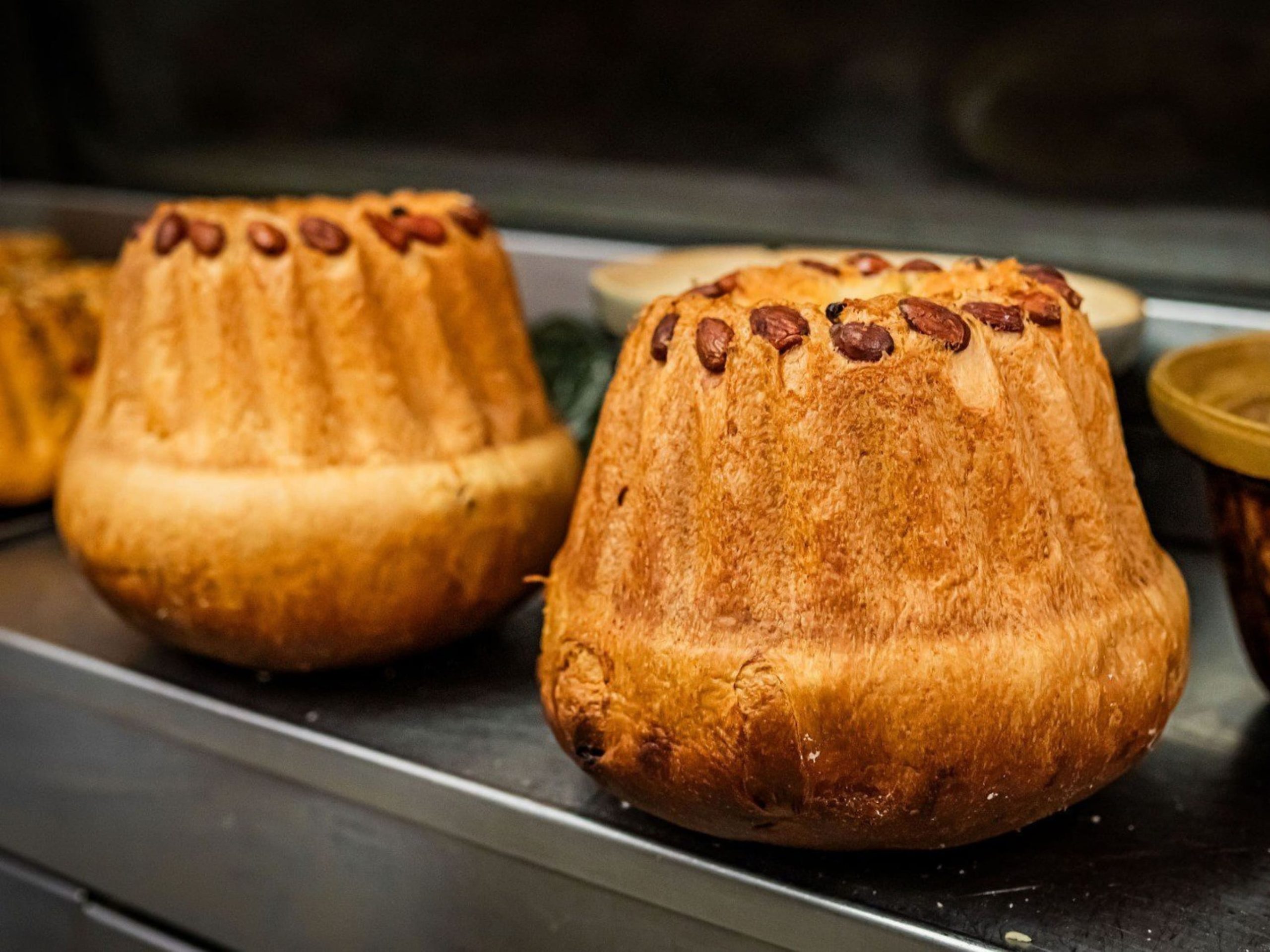
Of all the Alsatian pastries, kougelhopf is perhaps the most iconic. Baked in a special ceramic mold, this soft brioche is instantly identifiable by its ring shape.
The classic sweet version is made with a lightly sweetened yeast dough, raisins, and almonds, then finished with a dusting of powdered sugar.
Despite its elaborate appearance, kougelhopf is relatively simple in flavor. It’s buttery, soft, and only mildly sweet, making it closer to a breakfast bread than your standard cake.
In Alsace, kougelhopf is typically enjoyed at breakfast or alongside an afternoon coffee, although it can also be found in bakeries throughout the day. There are also savory variations, often prepared with bacon and walnuts.
Kougelhopf is quite large and meant to be sliced and shared. However, many bakeries also sell miniature, individually sized versions. I’d recommend picking up one of these if you’re visiting Strasbourg.
Where to Eat Kougelhopf: Pâtisserie Christian, 12 Rue de l’Outre, 67000 Strasbourg
9. Bredele
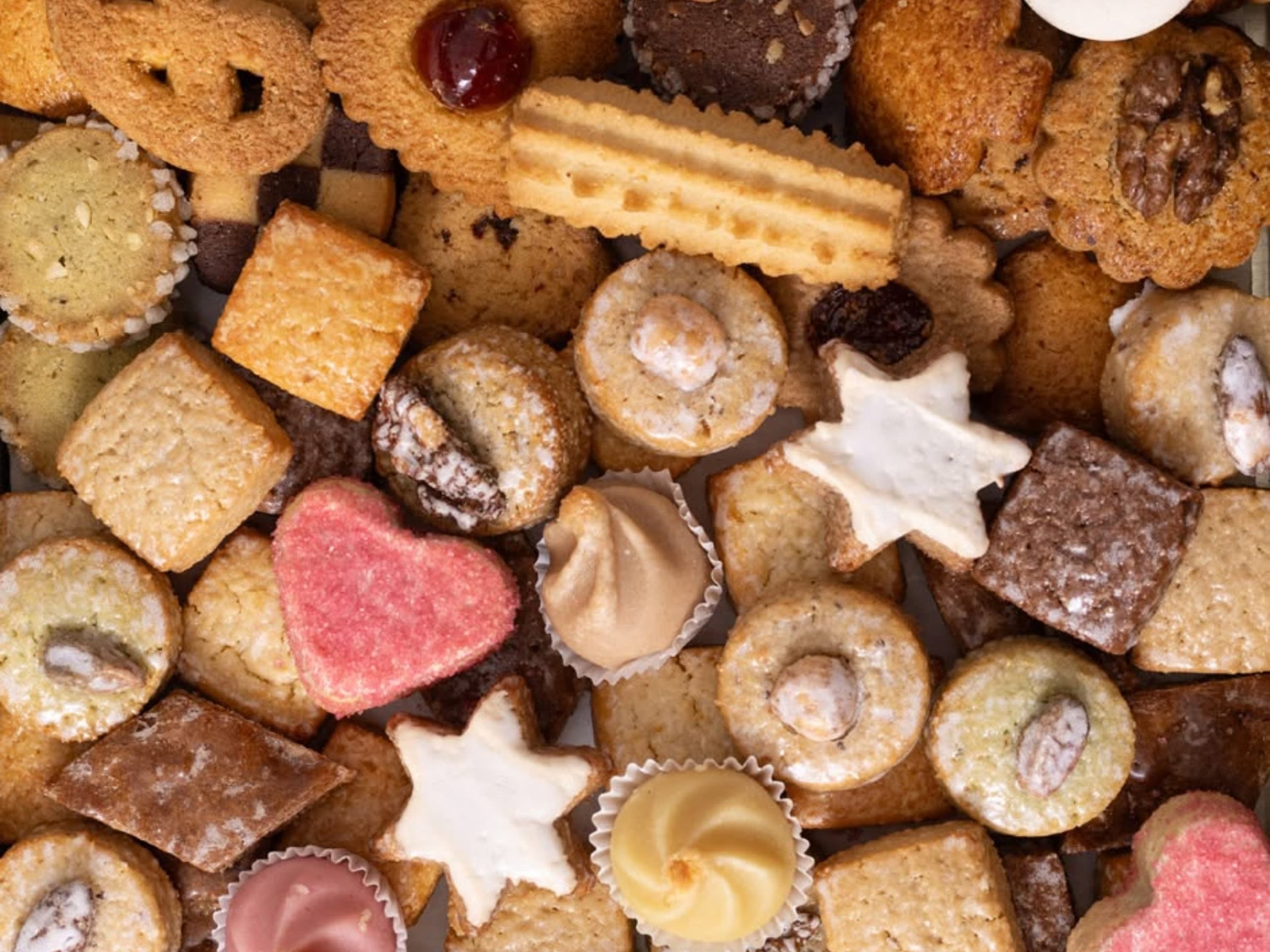
If you’re visiting Strasbourg during the Christmas season, one Alsatian treat you shouldn’t miss is bredele. They are small Christmas cookies that come in countless variations ranging from buttery shortbread and cinnamon stars to delicate almond biscuits and spiced cookies.
Bredele are customarily baked during Advent and eaten throughout the holiday season. In many Alsatian households, baking them is a family ritual with recipes passed down through generations.
Fortunately, you don’t have to visit during Christmas to try them. Certain bakeries and shops sell bredele year-round. My favorite is Maison Alsacienne de Biscuiterie, which has several locations throughout Alsace. You can pick up an assortment of scrumptious cookies, including beautifully packaged decorative tins that make lovely gifts.
During November and December, keep an eye out for bredele at the Christmas markets. They’re one of my favorite Strasbourg souvenirs to recommend bringing home. I almost always bring a few bags back for my family in the US. They get eaten very quickly.
Where to Eat Bredele: Maison Alsacienne de Biscuiterie, 16 Rue du Dôme, 67000 Strasbourg
10. Alsatian Wine
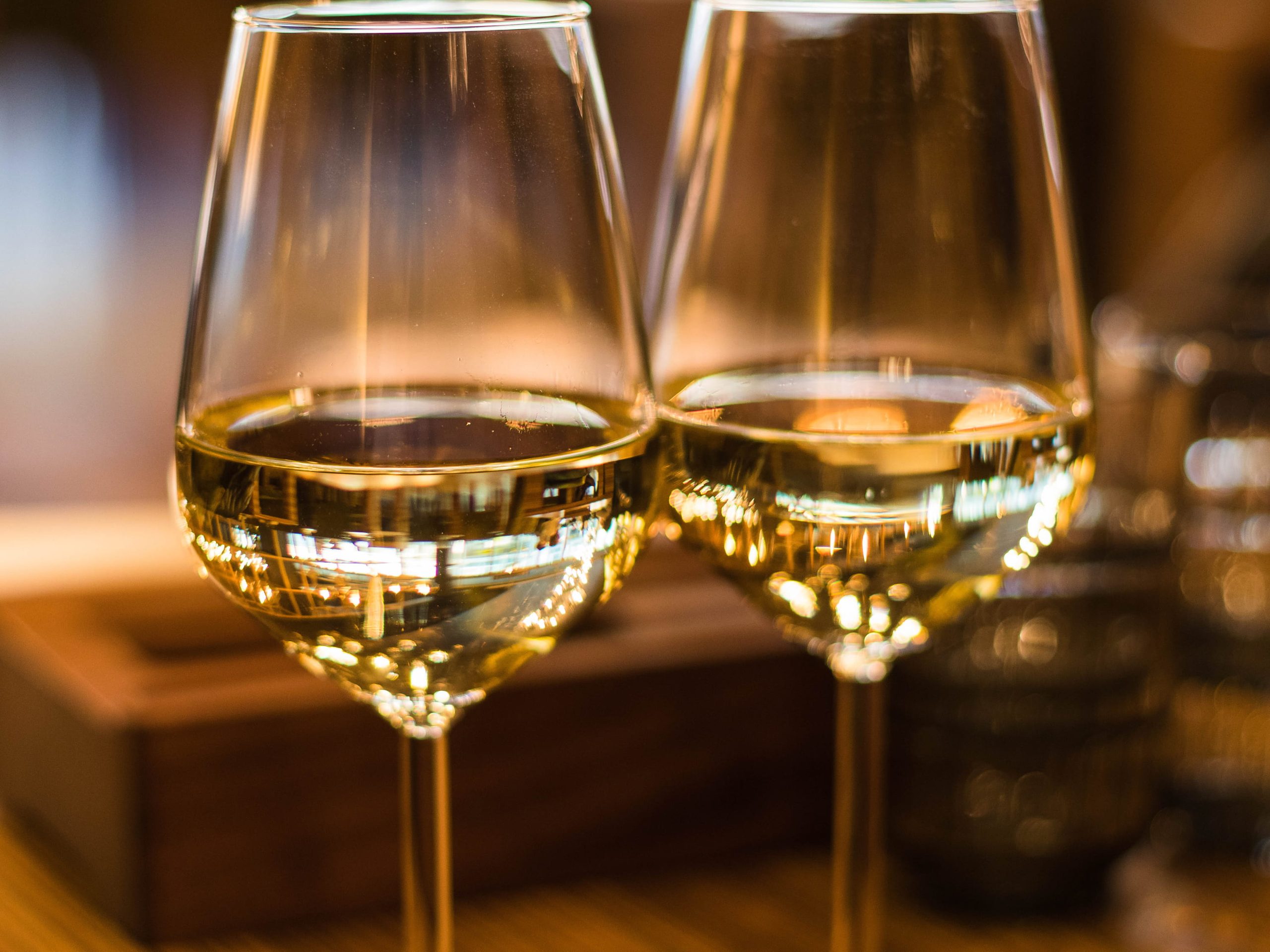
No guide to Alsatian food would be complete without mentioning wine. Alsace is best known for its white wines, many of which pair beautifully with the heavier dishes included on this list.
A dry Riesling is a classic accompaniment to choucroute garnie, while Pinot Blanc is a versatile choice for tarte flambée and lighter dishes. Gewurztraminer, known for its intensely aromatic character, is another Alsatian specialty worth sipping on, particularly alongside Munster cheese.
If you prefer something sparkling, try Crémant d’Alsace, the region’s sparkling wine. It’s made using the same method as Champagne and is often considerably more affordable.
One of the best ways to discover Alsatian wines is to order a glass alongside your meal at a restaurant. Look for the local varieties I’ve just mentioned on the wine list! Ordering wine in France? Check out my guide to French wine for beginners.
And while wine tends to get most of the attention, Alsace also has a long brewing tradition. Beers are another popular choice.
Where to Drink Alsatian Wine: L’Alsace à Boire, 14 Rue du 22 Novembre, 67000 Strasbourg
Where to Try Traditional Alsatian Food in Strasbourg
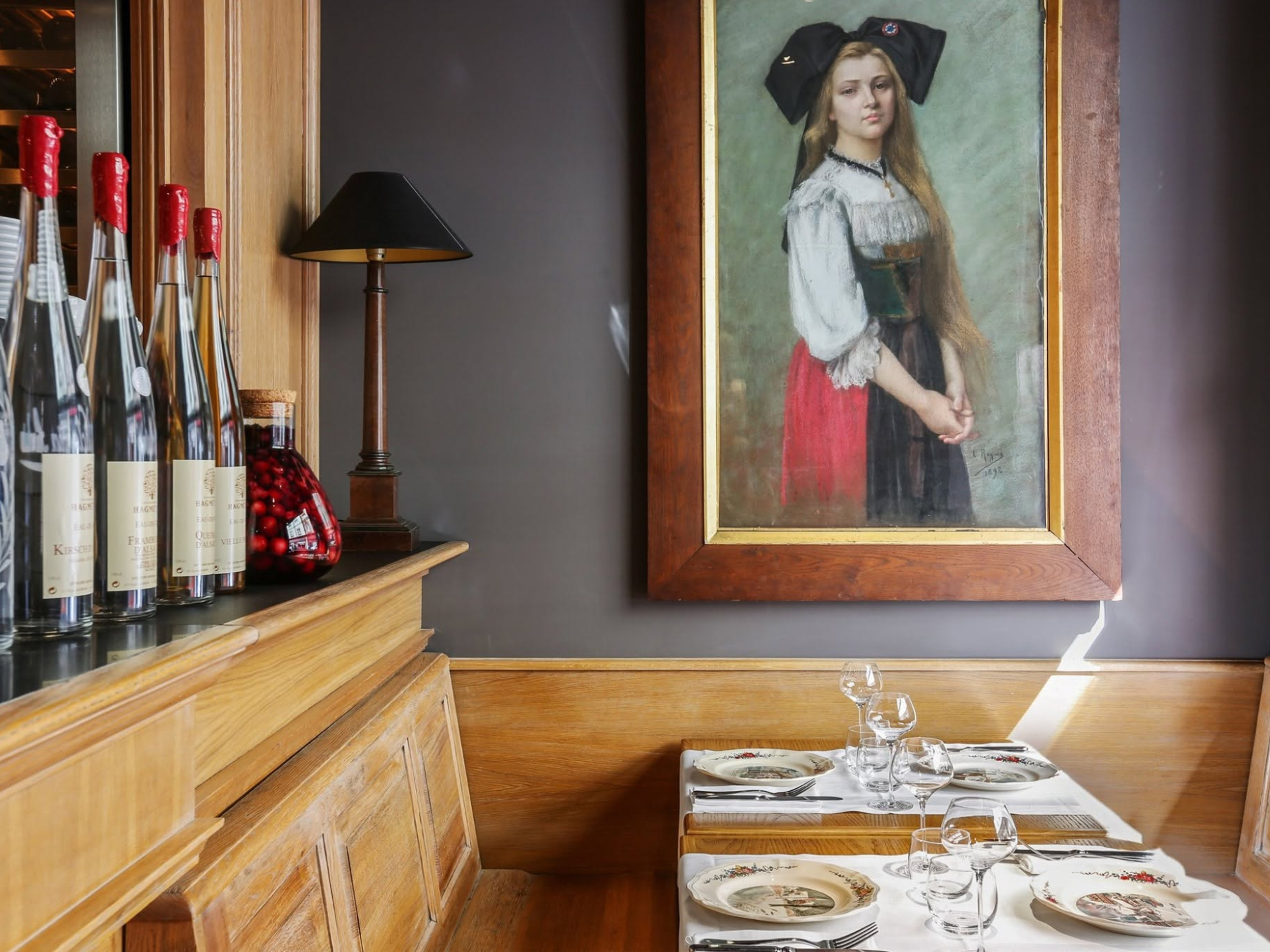
One of the best places to experience traditional Alsatian food is a winstub, a cozy, often wood-paneled restaurant that specializes in regional cooking. Historically associated with local wine, these rustic bistros are known for their hearty home-style cooking.
Strasbourg is home to plenty of long-established winstubs, where you can order everything from choucroute garnie to baeckeoffe. Accompanied by a glass of Alsatian Riesling or Pinot Blanc, if you please.
If you have more time to explore beyond Strasbourg, consider visiting a ferme-auberge in the nearby Vosges Mountains. They are farm inns and serve delicious meals with ingredients produced on the farm and sourced locally.
I sometimes stop at one after a hike in the mountains (when there’s nothing better than sitting down to a long and large meal).
And if you’re visiting Strasbourg in December, don’t miss the city’s world-class Christmas markets. Between the festive chalets, there are plenty of opportunities to sample Alsatian specialties.
In fact, I usually tell friends visiting during the holiday season not to make too many restaurant reservations. Between all the food stalls, you can easily eat your way through the markets without ever sitting down for a proper meal.
FAQs About Strasbourg Food
What food is Strasbourg famous for?
Strasbourg is famous for tarte flambée (flammekueche), choucroute garnie, and baeckeoffe. Other popular Strasbourg food specialties include Alsatian bretzels, spätzle, Munster cheese, and kougelhopf.
What is the best traditional food to try in Strasbourg?
If you’re visiting Strasbourg for the first time, I’d recommend starting with tarte flambée. It’s one of the most iconic specialties and is easy to enjoy as a casual lunch or dinner. For a more substantial traditional Alsatian meal, try choucroute garnie or baeckeoffe.
What are the most popular Alsatian desserts?
Kougelhopf is one of the most recognizable Alsatian pastries, while bredele is more popular during Christmas. Other sweet specialties include fruit tarts, streusel cakes, gingerbread, mannele, and lammele. Check out my entire list of the best Alsatian desserts.
Discover More on Strasbourg Travel
- The 10 Best Museums in Strasbourg
- 22 Best Things to Do in Strasbourg
- The Ultimate Guide to Shopping in Strasbourg
Have you tried any of these traditional Alsatian foods? Let me know in the comments below.


