This blog post may contain affiliate links. I may earn a small commission for any purchases made through these links. Click here for the disclosure statement.
If you’ve ever spent time in France, you’ve probably noticed something that seems a little contradictory. People enjoy buttery croissants, rich cheeses, steak frites, pastries, and wine with lunch and dinner. Yet France has long had lower rates of heart disease than countries with diets that, on paper at least, appear healthier.
This observation has been dubbed the French paradox. For decades, it’s puzzled doctors, researchers, and anyone who’s wondered how a country known for butter and baguettes could also be associated with relatively good heart health. The more scientists have studied it, the more they’ve realized the answer is a bit more complex.
What is the French Paradox?
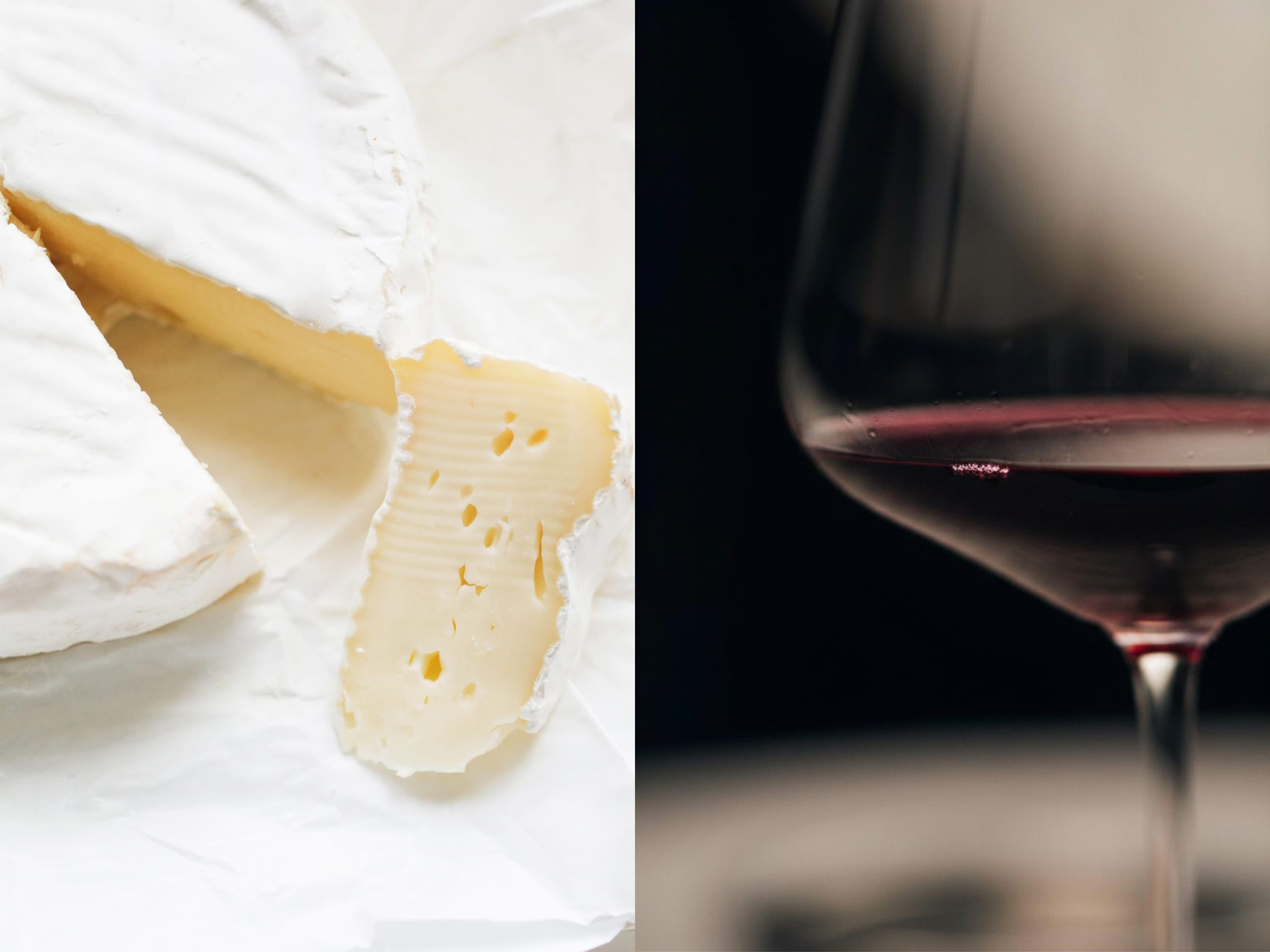
The French paradox refers to the observation that French people have historically had relatively low rates of coronary heart disease (CHD) despite eating a diet that contains more saturated fat than many other Western countries.
The term became popular in the early 1990s after researchers noticed that France’s rates of heart disease were significantly lower than those in countries like the United States and the United Kingdom, even though French diets included plenty of butter, cream, cheese, and meat.
Naturally, people wanted an explanation.
One theory pointed to red wine. Others looked at portion sizes, physical activity, or the overall quality of French food.
Still, some researchers question whether the French paradox is even real. They argue that differences in how countries collect health data may have exaggerated the gap, while others believe the lower rates of heart disease reflect eating habits from previous generations rather than the modern French diet.
Today, most experts believe there’s no single answer. It’s likely the result of several factors working together, such as lifestyle, eating habits, and culture.
Where Did the Idea Come From?
Although scientists had discussed the phenomenon for years, the French paradox entered mainstream conversation after a 1991 television segment on CBS’s 60 Minutes.
The report featured French scientist Serge Renaud of the University of Bordeaux, who presented his research on the French diet. Renaud argued that the French have a cardiovascular risk 3.5 times lower than that of Americans thanks to their moderate red wine consumption (one to three glasses per day), despite their relatively high intake of saturated fat.
You can watch a four-minute clip from the original segment here.
The Impact of the French Paradox
After the 60 Minutes segment aired, red wine sales in the United States increased almost overnight. The idea was appealing because it offered a simple explanation for quite a complicated question. Unfortunately, nutrition rarely works that way.
Since then, researchers have spent decades studying French eating habits. Some early theories have held up better than others, while some have largely been dismissed. We’ll get into some of these hypotheses later on.
Beyond the scientific discussion, the French paradox also had a major cultural impact. It inspired countless books and articles promising to reveal the secrets behind French health and longevity.
Many of you may recognize French Women Don’t Get Fat by Mireille Guiliano, which became a bestseller after its release in 2006. I also mentioned it on my list of French lifestyle books.
The book popularized the idea that French women maintain their figures not through strict dieting, but through mindful eating, smaller portions, and a balanced approach to enjoying food. Guiliano emphasized that this balance could still include the foods like chocolate, wine, butter, and bread…when enjoyed in moderation.
Possible Explanations for the French Paradox
Several explanations have been given to try to explain the French paradox.
Red Wine Consumption
If you’ve traveled to or lived in France, you’ve likely noticed how much the French love their wine.
One of the most popular explanations for the French paradox has been France’s relatively high consumption of red wine.
Red wine contains plant compounds called polyphenols, including one known as resveratrol. These compounds have antioxidant and anti-inflammatory properties, and early studies suggested they might help protect blood vessels.
The problem is that the amount of resveratrol absorbed from drinking red wine is so small that it’s unlikely to explain the paradox.
In fact, many health organizations no longer recommend drinking alcohol for health benefits because even small amounts increase the risk of certain cancers and other health problems.
So while enjoying a glass of wine with dinner is certainly part of French culture, it’s probably not the “secret ingredient” people once thought it was.
Walking
Diet is only part of the story. Another possible explanation behind the French paradox is how much people move. On average, French people walk briskly much more often than Americans, which may contribute to better cardiovascular health.
French cities are generally designed to encourage walking too. People often walk to the bakery, grocery store, train station, or local market instead of driving everywhere.
You don’t necessarily see people spending hours in the gym. But many stay active simply through daily movement.
Researchers sometimes call this “incidental exercise.” Meaning it isn’t planned, but just happens naturally throughout the day.
That consistent activity can improve heart health, support weight management, and reduce the risk of chronic disease.
Water
This one might come as a surprise to some American readers. One factor that has been suggested as part of the French paradox is water consumption.
I always assumed Americans drank more water, especially given our habit for carrying around giant water bottles everywhere. But some studies have found that, on average, French people drink more water and fewer sugar-sweetened beverages than Americans.
And when you consider how common sodas, sweet teas, and other sugary drinks are in the United States, the difference starts to make a little more sense.
Fresh Fruits and Vegetables
The average French diet also includes plenty of vegetables, fresh fruit, legumes, fish, yogurt, and minimally processed foods. Bread is usually eaten alongside a meal rather than as a snack, and desserts tend to be smaller than many people expect.
When I first moved to France, I was surprised by how balanced everyday meals actually were. Yes, there was cheese, butter, cream sauces, and pâté. But there was also a big salad, fresh vegetables, fruit, and often a homemade meal. The rich foods were there, but they weren’t necessarily eaten in huge quantities every day.
Less Ultra-Processed Food
Traditional French diets also contain fewer ultra-processed foods than diets in many Western countries, although that has been changing in recent years.
Meals are more likely to be prepared from basic ingredients rather than heavily processed packaged foods.
Fresh produce, cheese from local producers, fish, yogurt, bread from neighborhood bakeries, and seasonal vegetables still play an important role in many French households.
Of course, France has supermarkets, frozen pizzas, and fast food too. No country is immune to modern eating habits. But historically, processed foods made up a smaller share of the average diet.
The French tend to avoid common American food items like soda, candy, chips and other snack foods (which take up a lot of space at American grocery stores). Low-fat and no-fat foods (which often contain high concentrations of sugar) are also less popular in France. You’re more likely to open someone’s fridge and find full-fat butter, yogurt or cream than any “diet” alternatives.
Small Portion Sizes
Smaller portions, eaten more slowly and divided among courses that let the body begin to digest food already consumed before more food is added.
Meals are also typically eaten at set times, and frequent snacking between meals is less common than in many other countries. Food is usually enjoyed around the table rather than constantly throughout the day.
When I lived with my French partner’s family, we would occasionally have a goûter (the French version of an afternoon snack) between lunch and dinner. But it was usually something simple and small like a few cookies, a piece of fruit, or a pouch of applesauce. And even then, snacks are typically reserved for children in France.
What Can We Learn From It?
The French paradox reminds us that no single food determines our health. Not butter, not cheese, and probably not red wine. Instead, health comes from patterns that develop over time.
The French approach to eating tends to emphasize real food, moderate portions, shared meals, regular movement, and enjoying food without constantly thinking about diets or restrictions.
That doesn’t mean every French person eats this way, and it certainly doesn’t mean French cuisine is automatically healthier than every other diet. But it does suggest that how we eat may matter just as much as what we eat.
Nutrition is complicated. Human behavior is even more complicated. The French paradox isn’t really about finding one magical ingredient. It’s about recognizing that food exists within a much bigger picture (culture, lifestyle, community, movement, and habits repeated every single day).
Discover More About French Food
- A Beginner’s Guide to French Wine
- A Complete Guide to French Dining Etiquette
- How to Enjoy Breakfast the French Way
What are your thoughts on the French paradox? Let me know in the comments below.


