This blog post may contain affiliate links. I may earn a small commission for any purchases made through these links. Click here for the disclosure statement.
Reading French classics is one of the most effective ways to master the language. No matter your level, diving into the best French literature will build your vocabulary and improve your grammar.
You don’t have to be learning French to enjoy them, either. A good translation is enough to give you a glimpse into France, its politics, its culture, and its history.
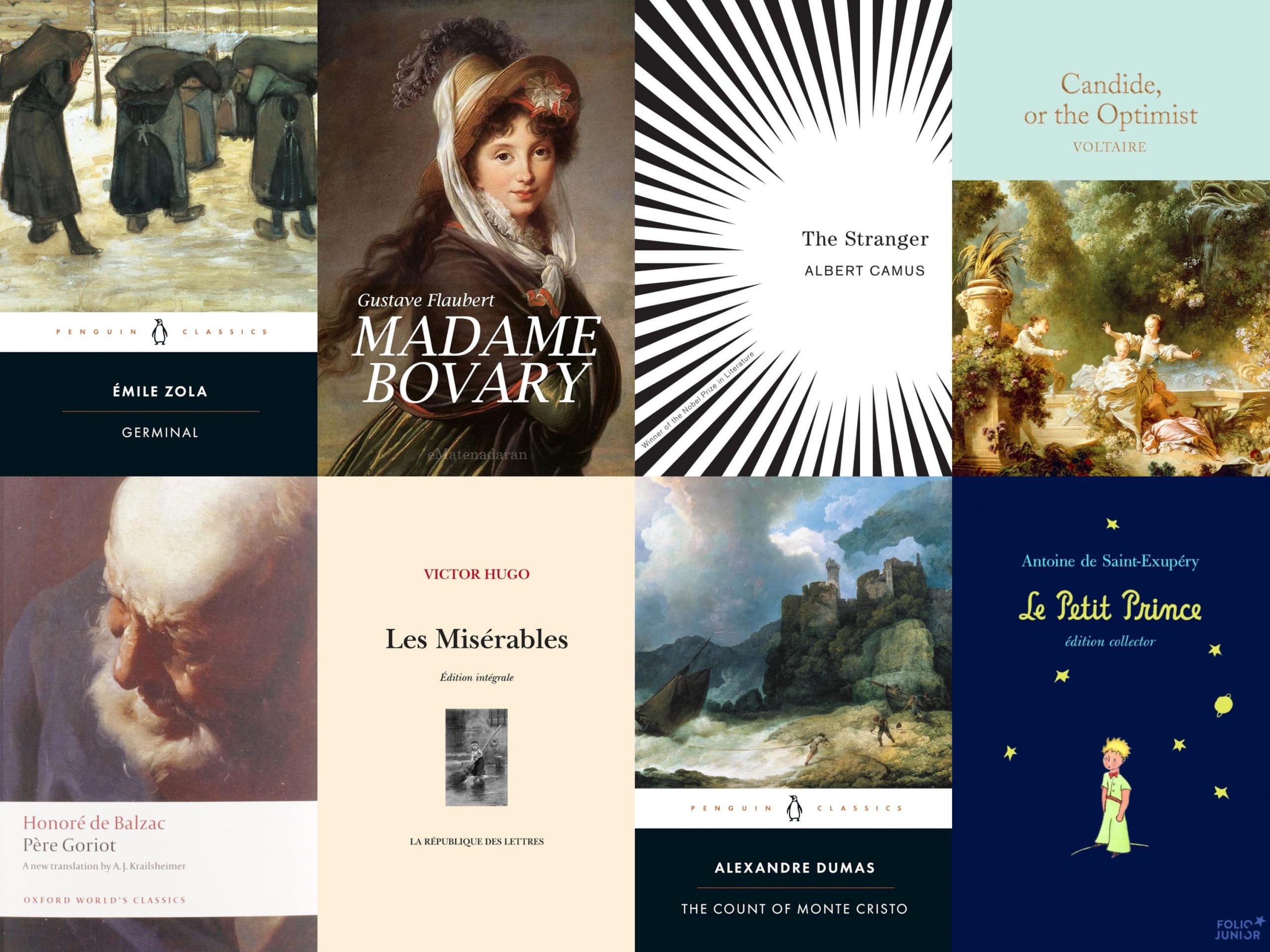
Here are 10 essential French classics to add to your reading list (and actually check off).
I compiled this list based on books that were part of my own education in France, recommendations from French friends and colleagues, and a look at how the French themselves rank their own classics.
And if a few of these feel intimidating, don’t worry. I’ve already rounded up the top French books for beginners with a mix of classics (some of them on this list) and more modern picks that are easier to understand.
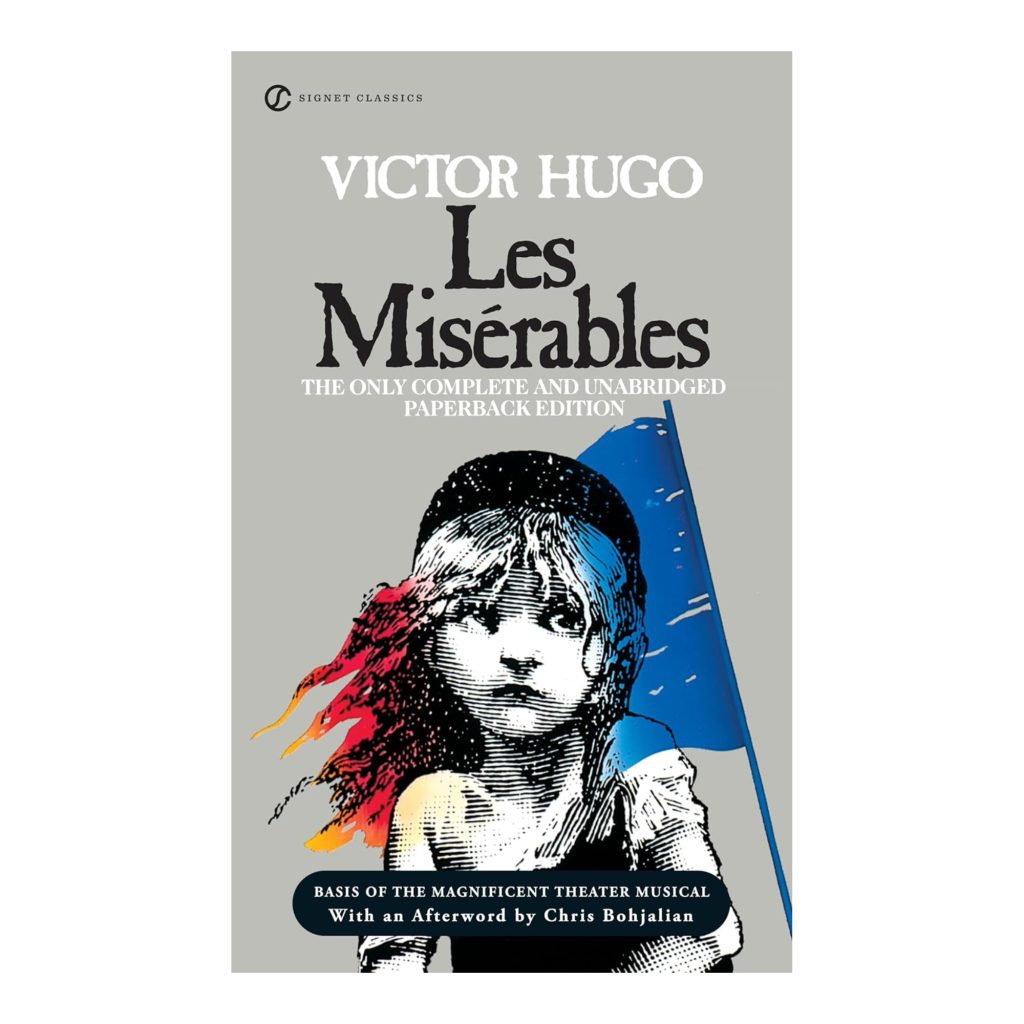
1. Les Misérables by Victor Hugo
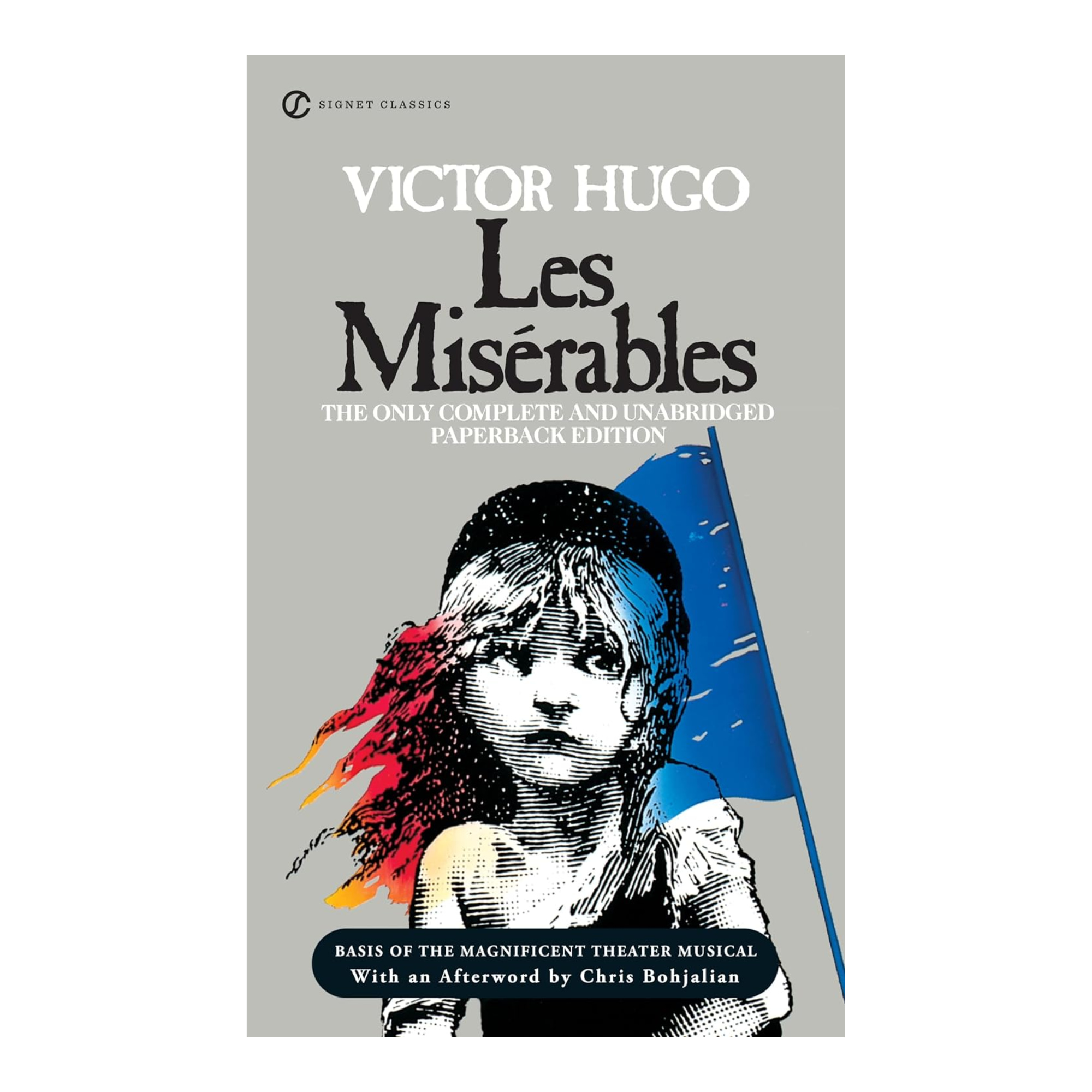
If there’s one French classic everyone should read, it’s Les Misérables. It’s arguably the defining French novel and one of the greatest works of literature.
More than just a story of redemption, it paints an entire portrait of 19th century France, from crushing poverty to political unrest. The reason it’s still so talked about today is its themes of justice, compassion, and hope, which feel remarkably current more than 160 years later.
The novel follows Jean Valjean, a former convict trying to rebuild his life while being relentlessly pursued by Inspector Javert. Along the way, author Victor Hugo introduces unforgettable characters like Fantine, Cosette, and Gavroche, each representing a different side of French society.
This novel is loooong (over 1,400 pages in most editions). Hugo constantly steps away from the plot to talk about Paris, history, religion, and justice. You might appreciate the frequent detours, but I found it tiresome after a while. If you don’t have time for the full epic tale, there are excellent abridged editions and multi-volume versions too.
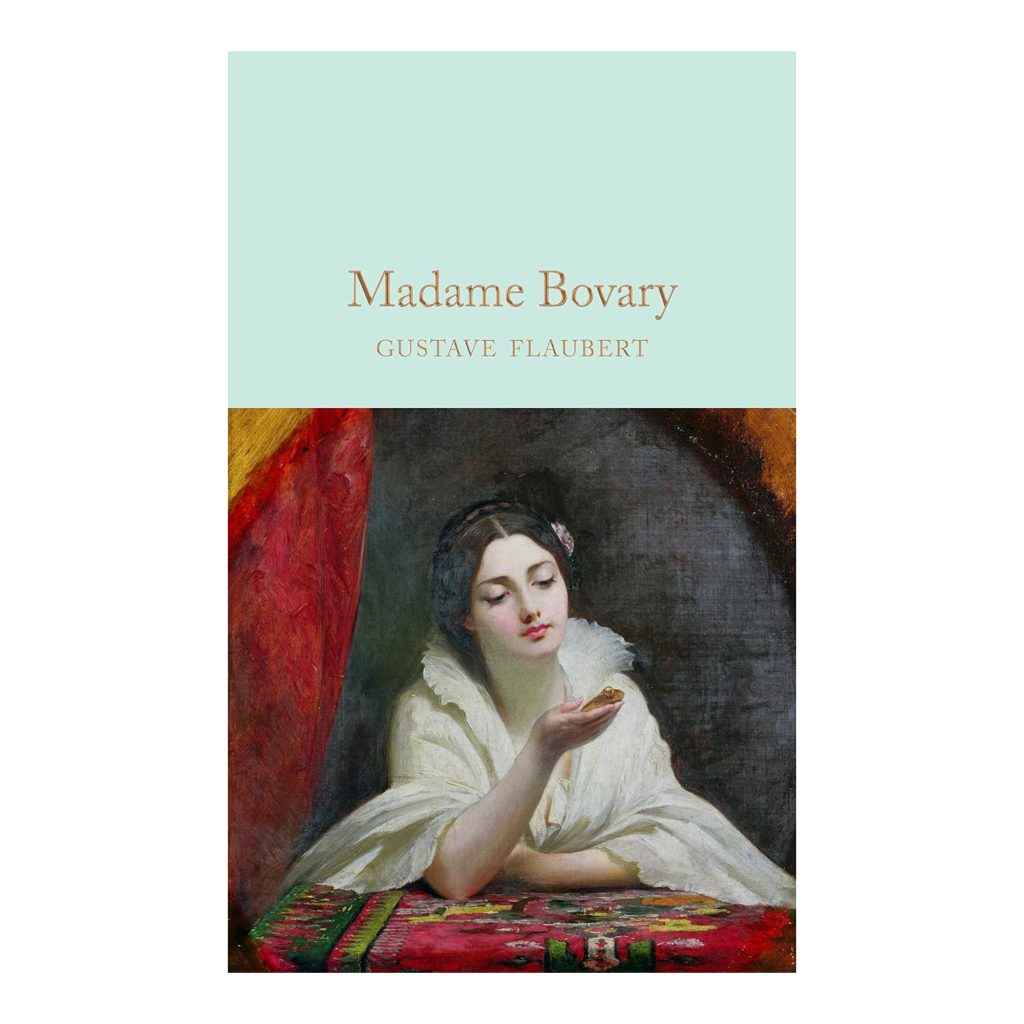
2. Madame Bovary by Gustave Flaubert
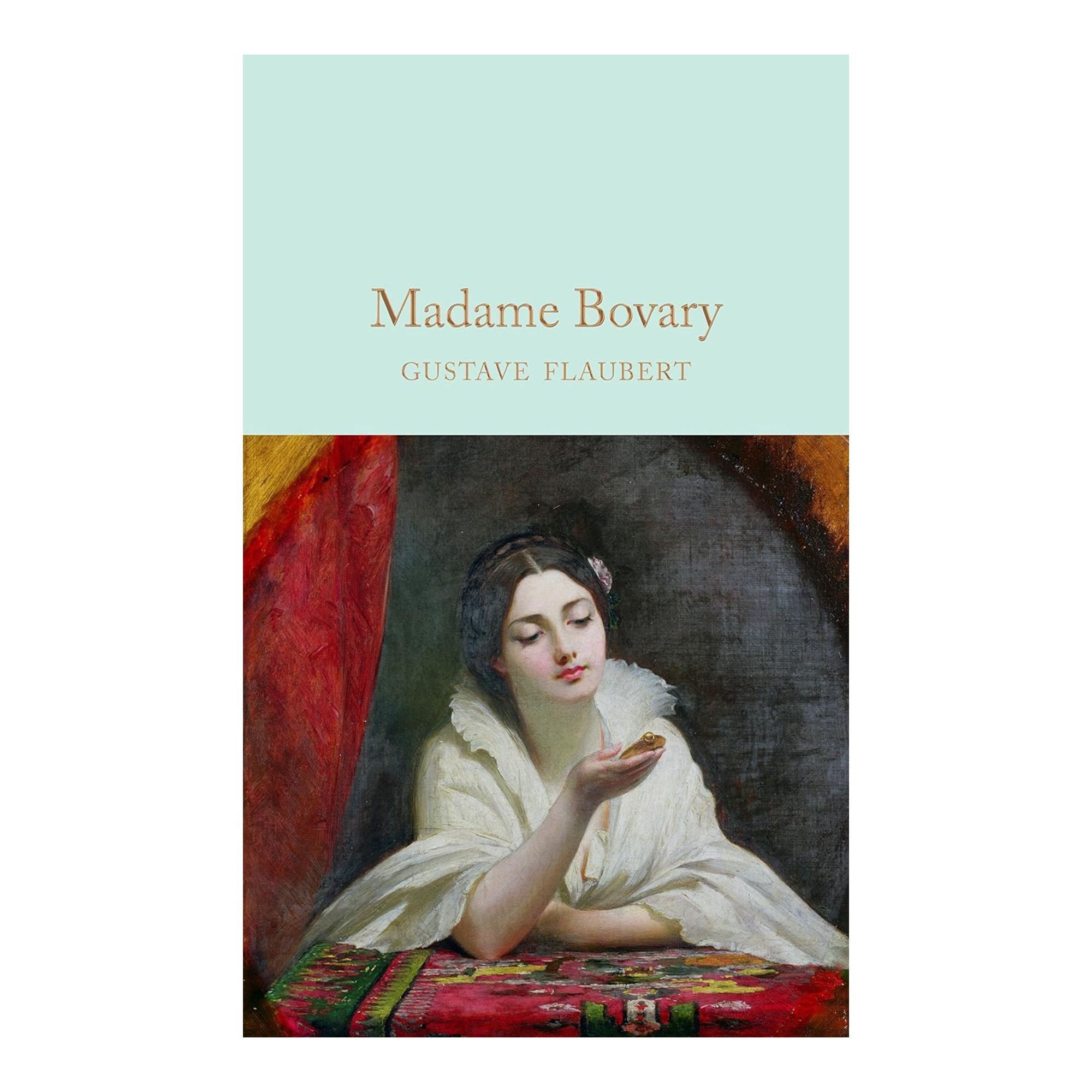
Emma Bovary dreams of a glamorous life filled with romance, luxury, and high society. Instead, she’s trapped in a quiet provincial marriage that never lives up to her expectations. That sounds simple enough, but Flaubert turned it into one of the most influential novels ever written.
His writing is incredibly precise. In fact, Flaubert spent days perfecting individual paragraphs because he believed every word mattered. Emma herself remains one of literature’s most fascinating characters. You may sympathize with her one moment and feel frustrated by her the next.
When it was published in 1857, Madame Bovary caused a scandal for its portrayal of adultery and even led to an obscenity trial. The controversy only increased its fame, and it soon became a bestseller.
Today, it feels very modern in its exploration of dissatisfaction, consumerism, and impossible expectations. I think many of us can recognize a little of ourselves in Emma’s restless search for something more.
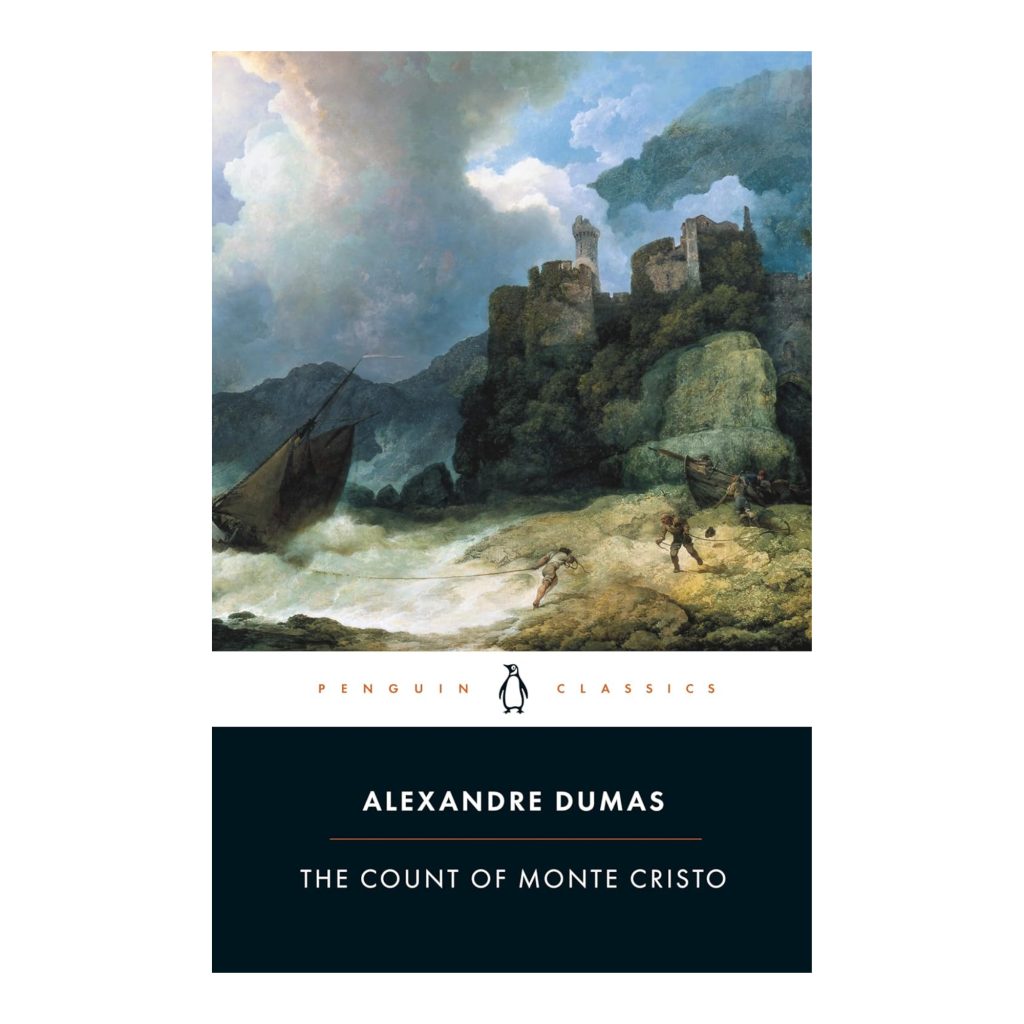
3. Le Comte de Monte-Cristo (The Count of Monte Cristo) by Alexandre Dumas
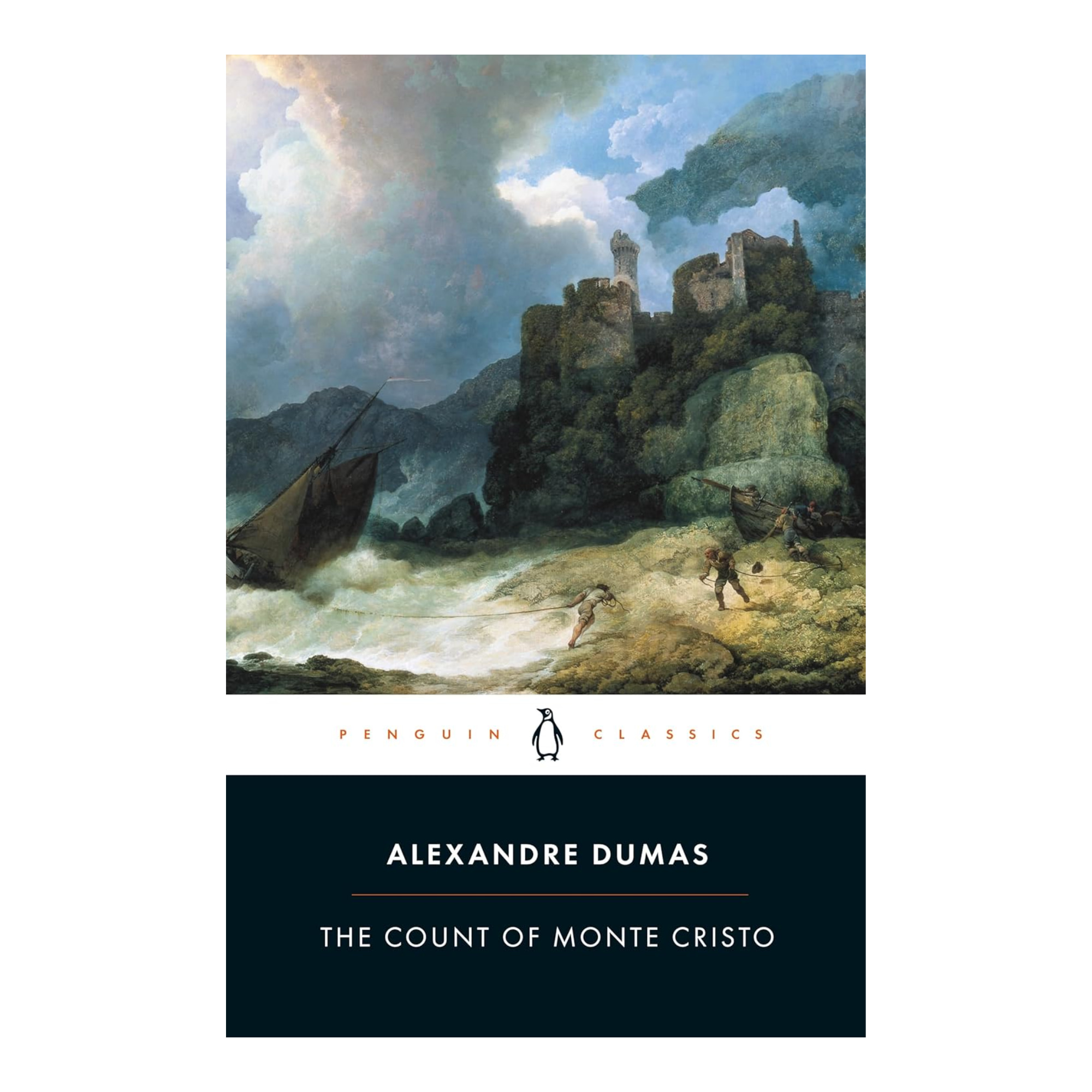
Betrayal, disguise, a fortune, and a decades-long revenge plot. The Count of Monte Cristo has everything you’d want from an adventure novel. And if Les Misérables is the French classic you read for its emotional depth, this is the one you read because you simply can’t put it down.
The story follows Edmond Dantès, a young sailor who is wrongly imprisoned just as his life is beginning. After escaping from prison years later, he uncovers a vast fortune and reinvents himself as the mysterious Count of Monte Cristo, determined to exact revenge on everyone who betrayed him.
There are hidden treasures, secret identities, elaborate schemes, and dramatic twists. It’s easy to see why this novel has inspired countless film and TV adaptations. While the book is absolutely worth reading, I also loved the 2024 film starring Pierre Niney. It’s honestly one of the best French films I’ve seen in recent years (and I’m at UGC a lot).
But beneath the adventure, Dumas also asks bigger questions. Does revenge ever truly satisfy? Can justice become another form of obsession?
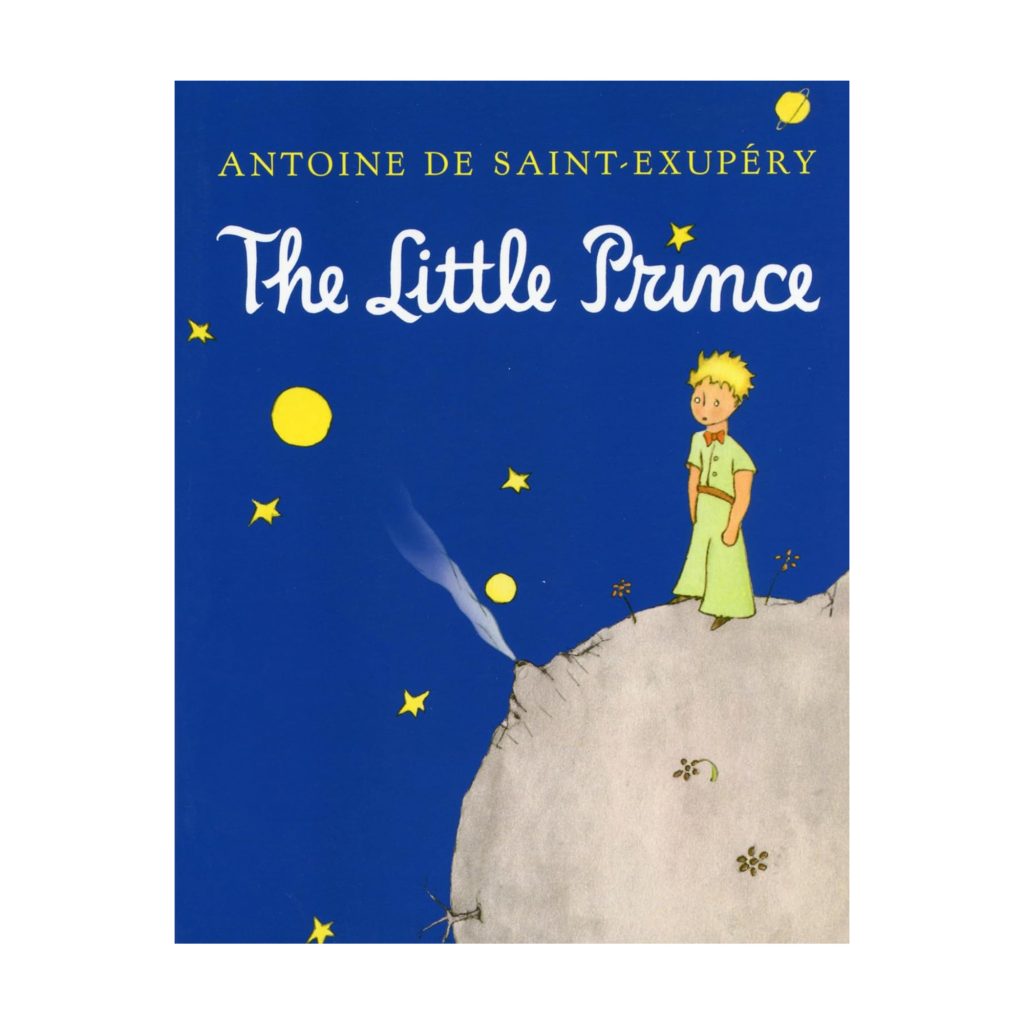
4. Le Petit Prince (The Little Prince) by Antoine de Saint-Exupéry
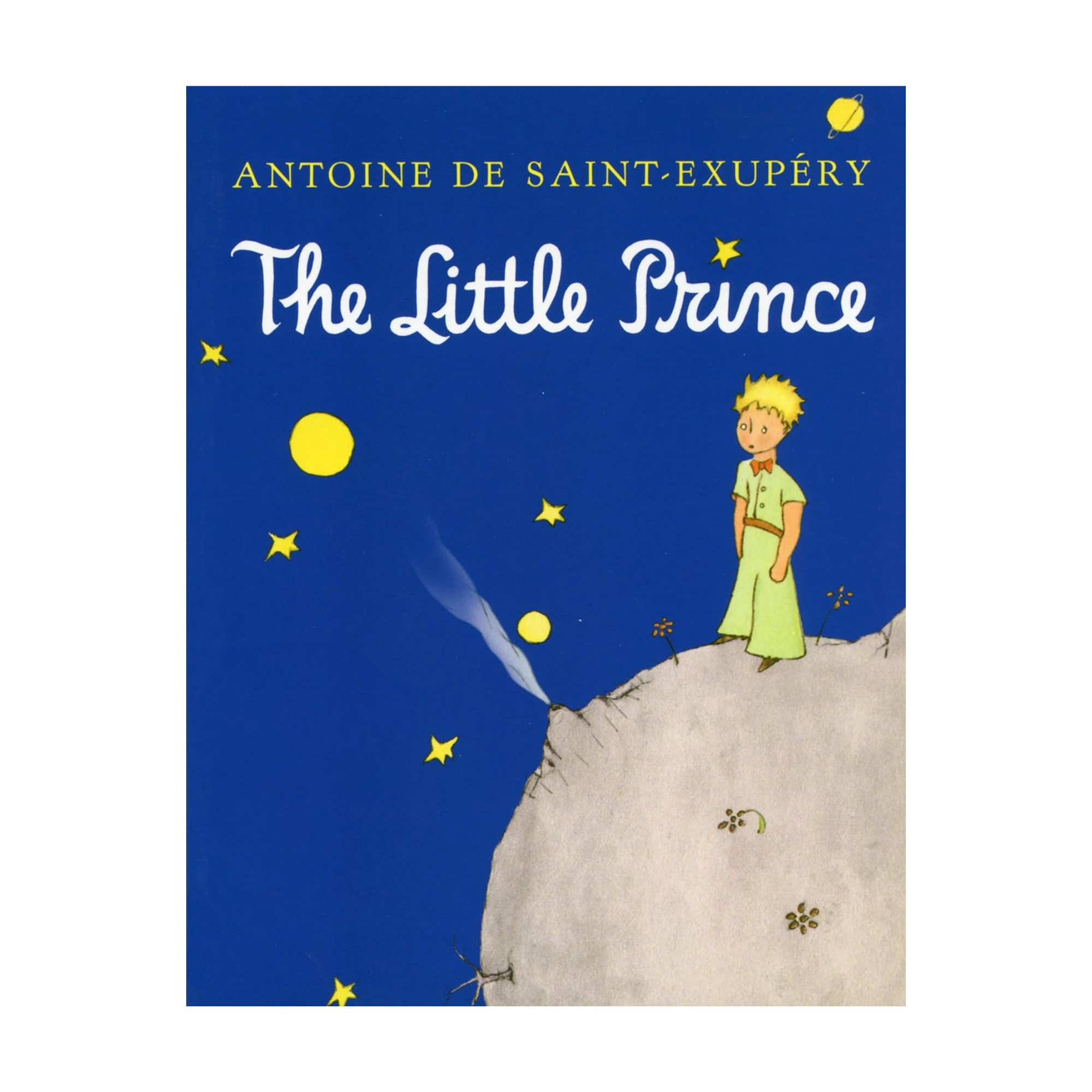
Another French classic you can’t miss is Le Petit Prince. Everyone in France knows this story and its author, Antoine de Saint-Exupéry, who is one of the country’s most celebrated figures.
Most people first encounter The Little Prince as a children’s book. Then they read it again as adults and realize it isn’t really for children at all.
The story begins when a pilot stranded in the Sahara Desert meets a mysterious young prince who has traveled from a distant asteroid. As the Little Prince recounts his journey from planet to planet, he encounters adults whose odd behaviors often leave him puzzled. Beneath its simple prose, the book explores themes of loneliness, friendship, love, and loss.
Fun fact: Le Petit Prince is the most translated book in the world after the Bible (published in over 600 languages and dialects!). Says something about how universal its message is.
I’ve linked the English version above, but you can also find a free PDF of the original French text here: Le Petit Prince (PDF)
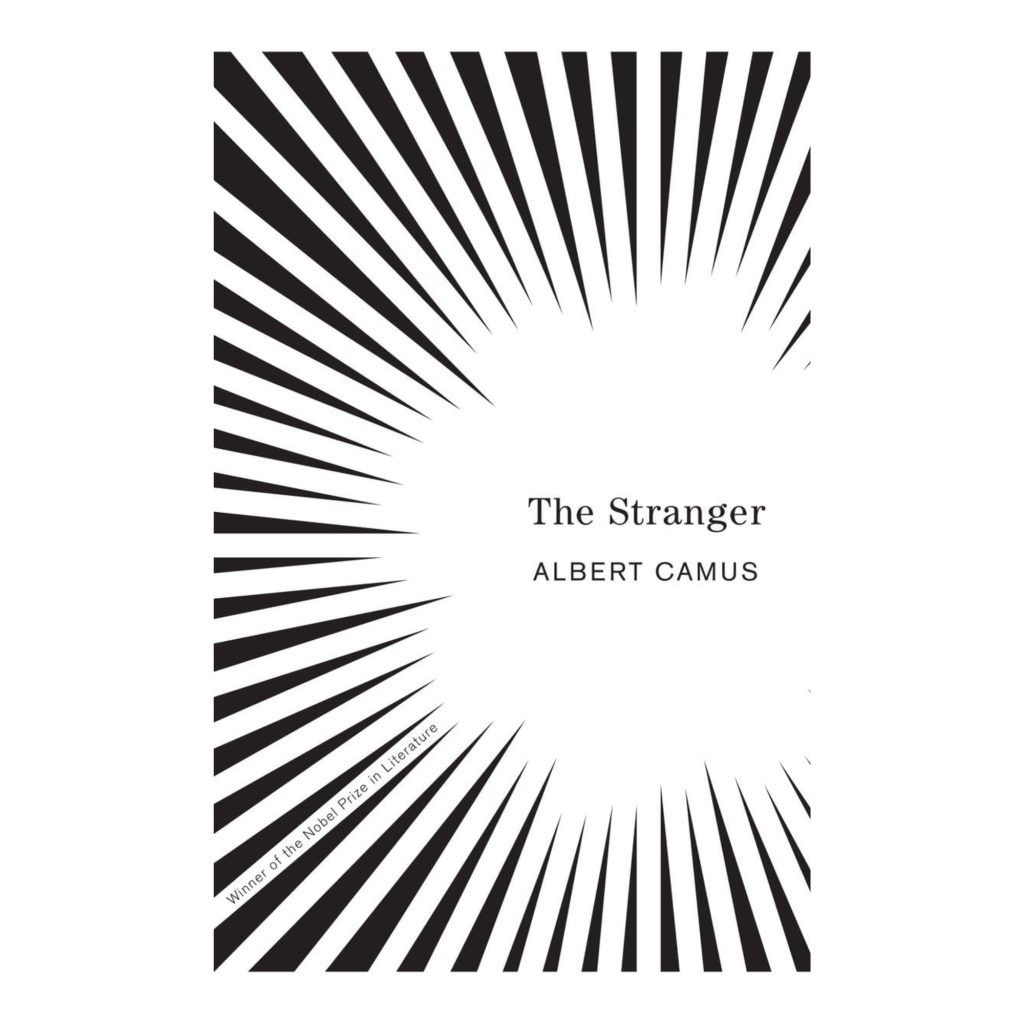
5. L’Étranger (The Stranger) by Albert Camus
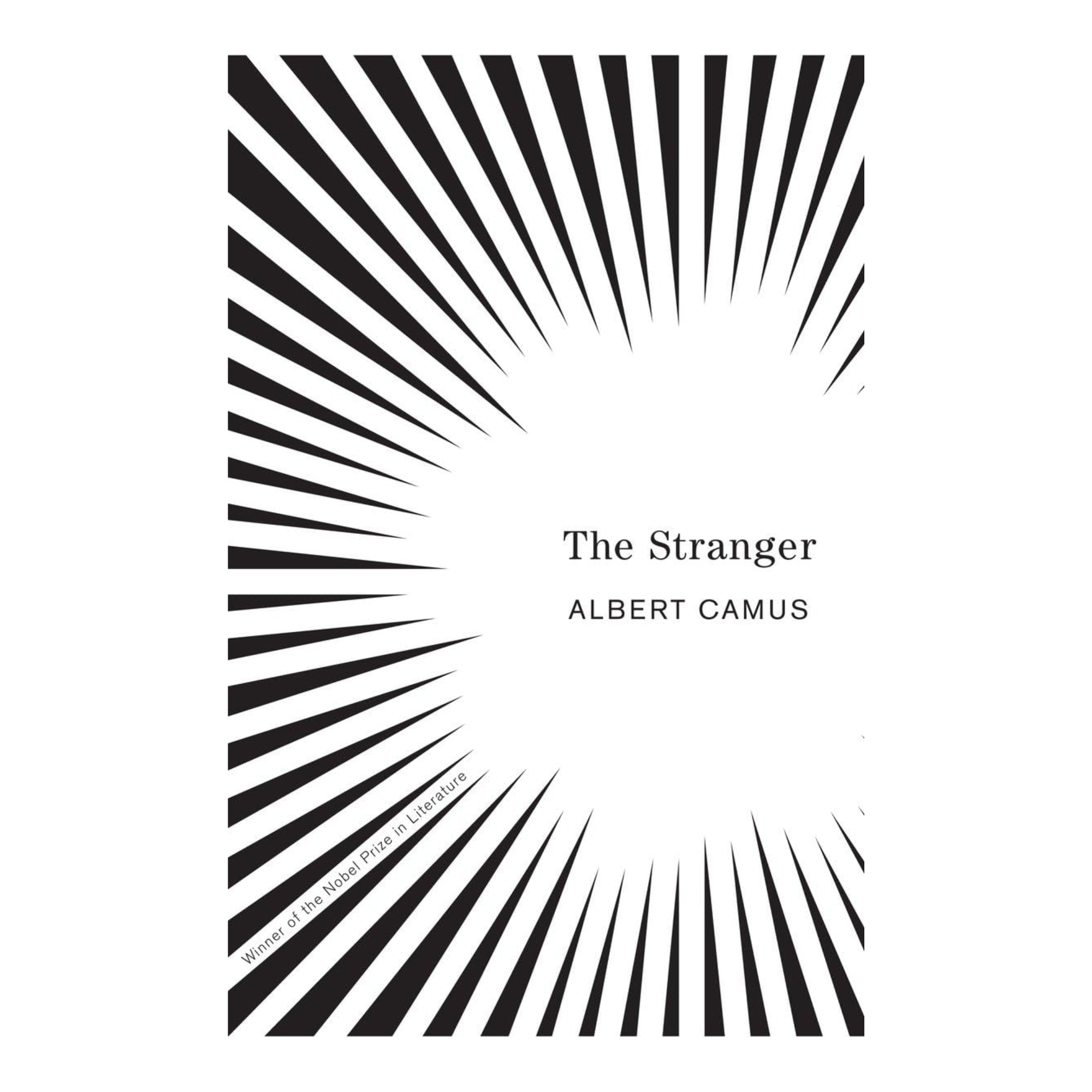
Few opening lines are as famous as this one: “Aujourd’hui, maman est morte.” (“Today, Mother died.”)
From the very beginning, Camus introduces Meursault, a man who seems emotionally detached from everything around him. After committing a seemingly senseless crime, he finds himself at the center of a trial that becomes less about the murder itself and more about whether he has behaved the way society expects.
At just over 100 pages, L’Étranger (The Stranger) is a very short novel, yet it raises profound questions about meaning, morality, freedom, and the absurdity of human existence. It’s also one of the best introductions to French existentialism and the cultural movement that shaped much of 20th-century France. If you want to understand the French mindset (their fascination with philosophy, individuality, and emotion) this book is the perfect place to start.
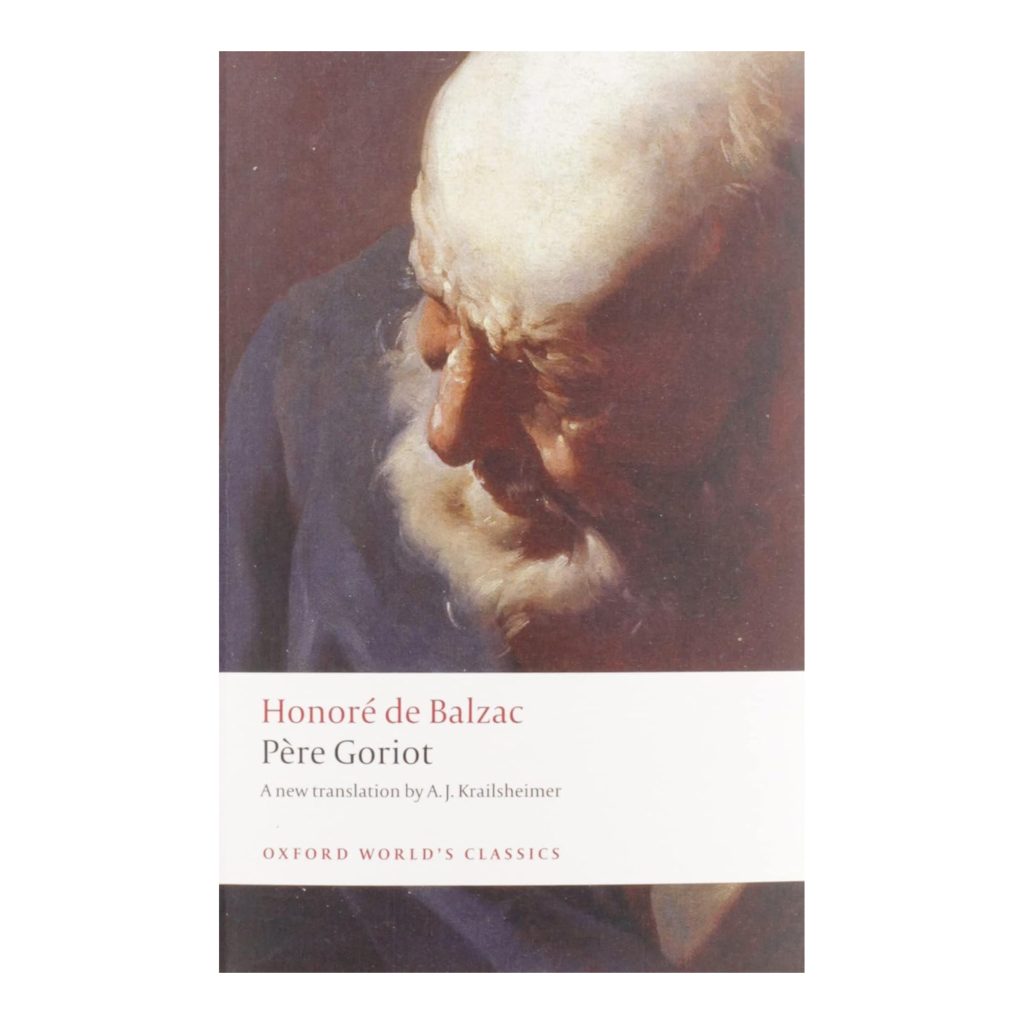
6. Le Père Goriot (Father Goriot) by Honoré de Balzac
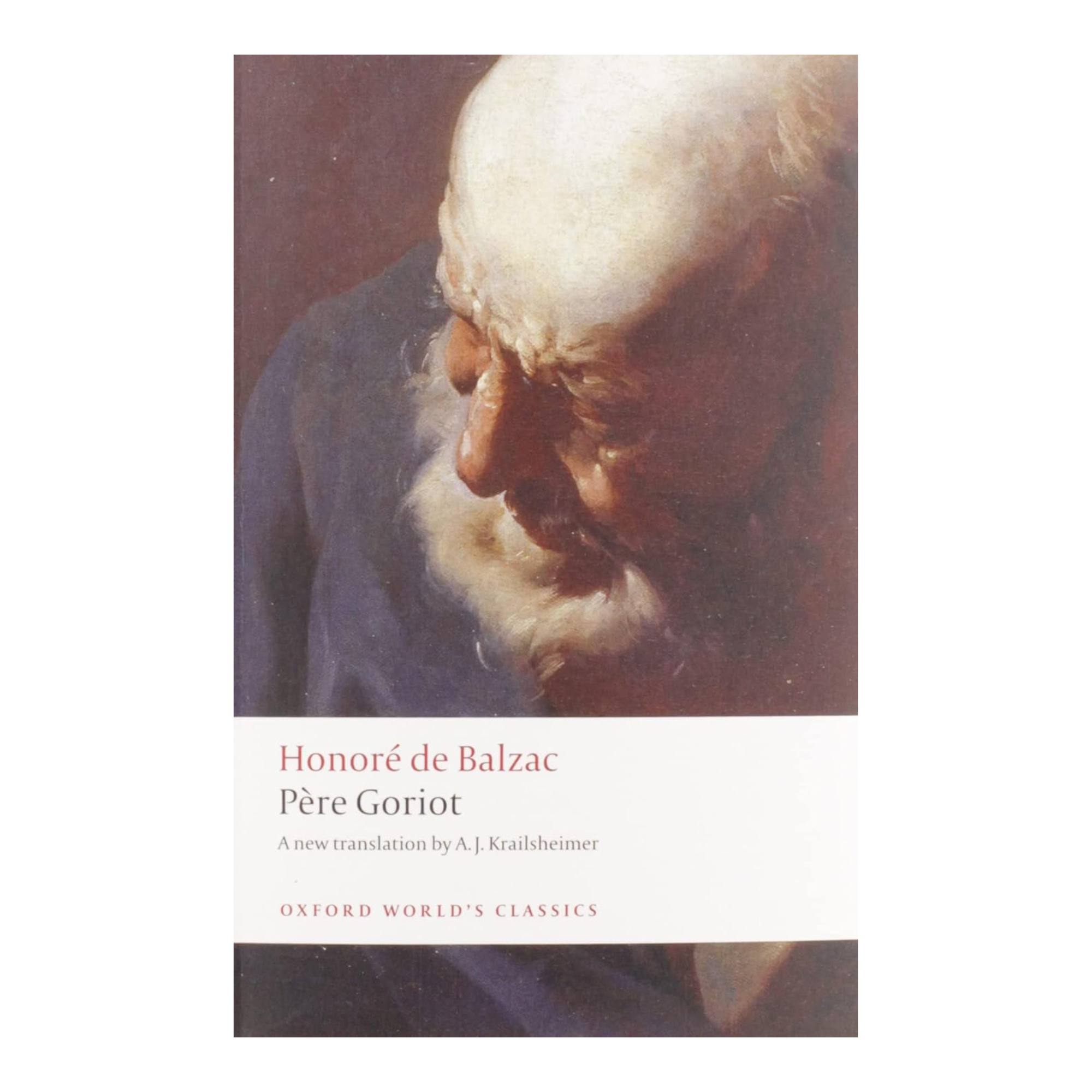
If you want to understand 19th-century Paris, few writers are better guides than Honoré de Balzac.
Set during the Bourbon Restoration, Le Père Goriot follows three intertwined lives: an elderly father who has sacrificed everything for his daughters, an ambitious young law student from the provinces hoping to make his mark in Parisian society, and a mysterious criminal with a dark past.
As the young student, Eugène de Rastignac, is drawn into the glittering world of Paris’s elite, he discovers that success often comes at the expense of integrity.
At the heart of the novel is the tragic story of Father Goriot, whose unconditional love for his daughters is met with indifference and exploitation. He comes to realize that love isn’t always returned.
Balzac had an incredible eye for detail. His Paris is so richly detailed, full of boarding houses, salons, struggling students, and wealthy elites all trying to climb (or protect) the social ladder.
Nearly two centuries later, the novel’s insights into money, ambition, and social status are still so relevant, which is why Le Père Goriot remains one of the defining works of French literature.
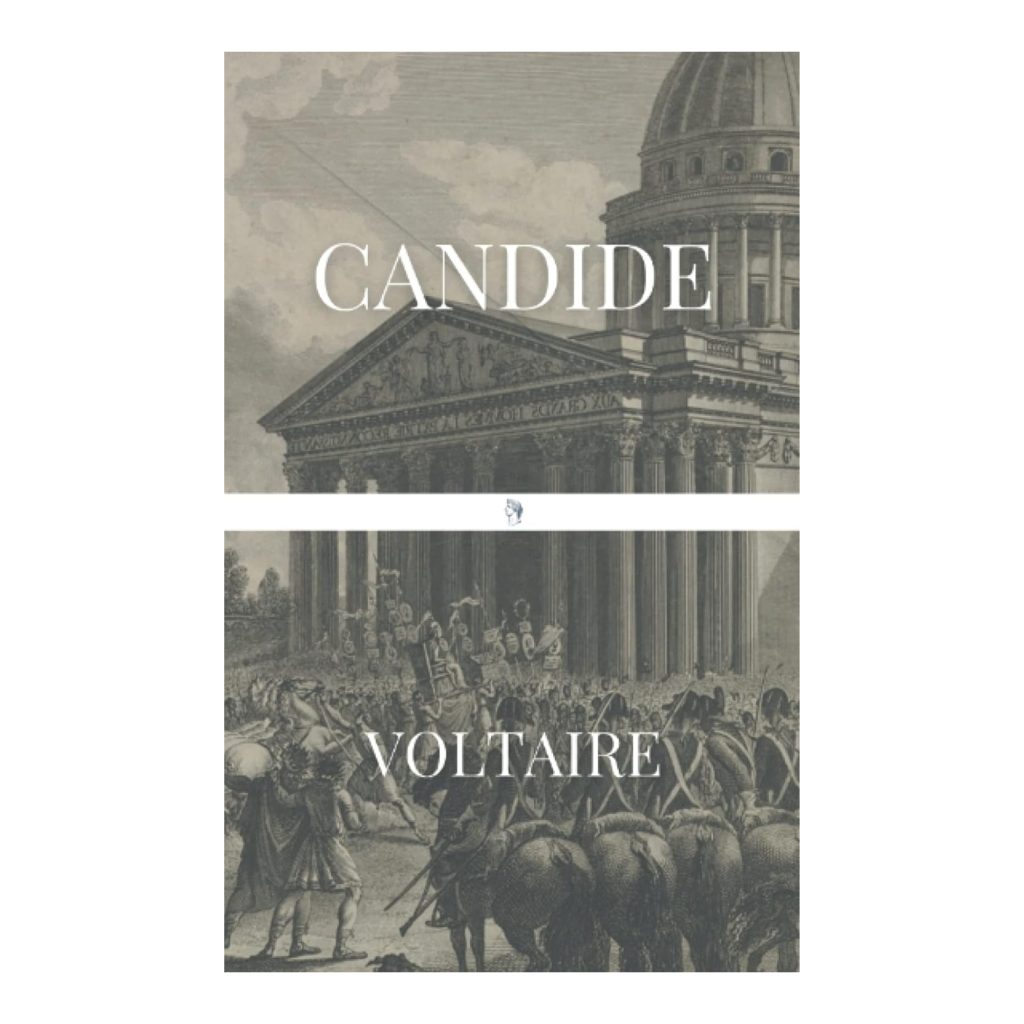
7. Candide by Voltaire
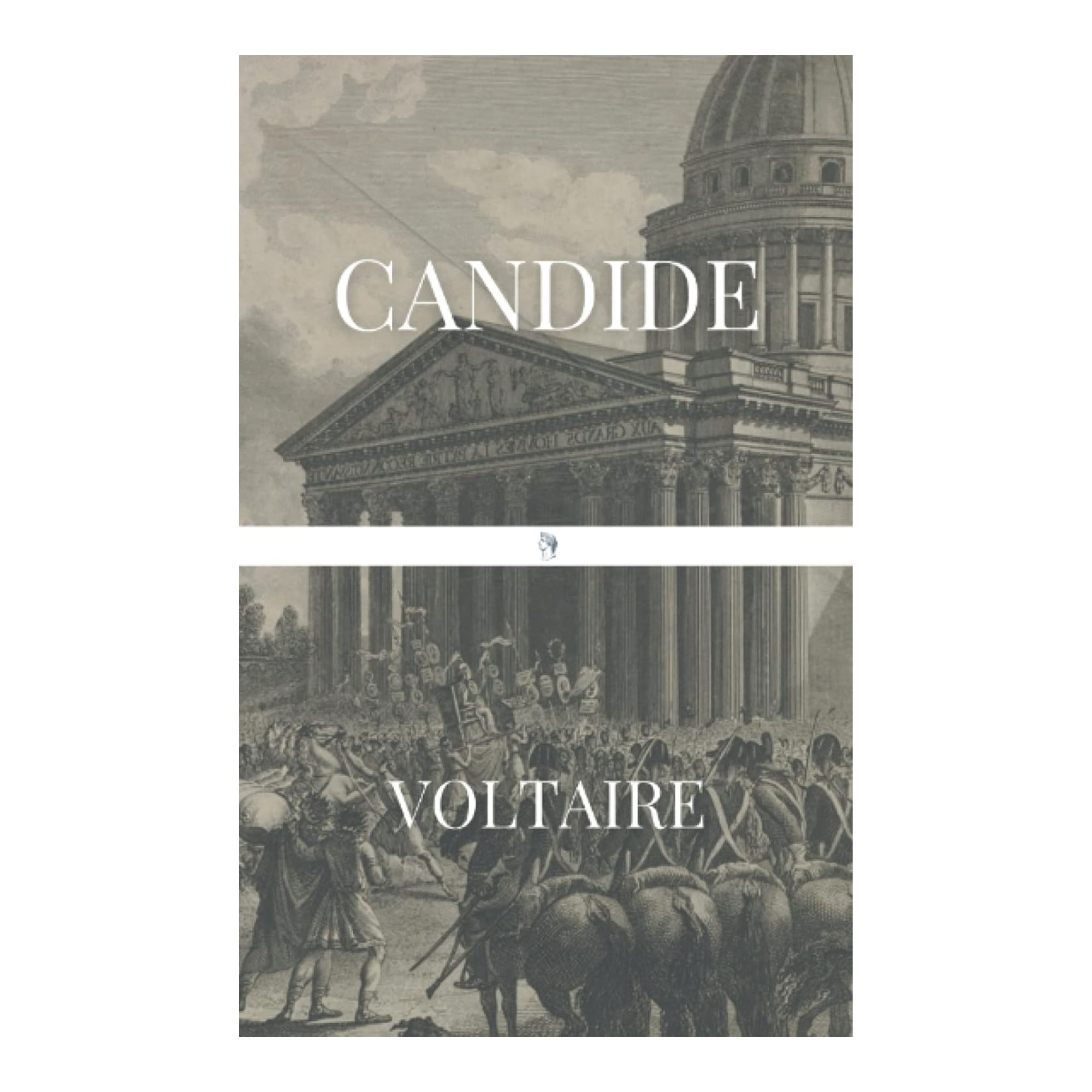
Published in 1759, Candide is a philosophical satire from the French Enlightenment and the oldest novel on this list.
It follows Candide, a young man raised in a sheltered world and taught by his mentor Pangloss that everything happens “for the best in the best of all possible worlds.” That idea collapses almost immediately once he is expelled from paradise and experiences repeated misfortunes and hardship.
From there, the novel moves quickly, taking readers on a picaresque journey across Europe, South America, and the Ottoman Empire. Along the way, Candide encounters war, natural disasters, religious hypocrisy, slavery, and general human cruelty.
Spoiler: the book ends with a pragmatic conclusion: “we must cultivate our garden” aka focus on practical work and personal responsibility rather than ideology.
You can read Candide in English here for free: Candide
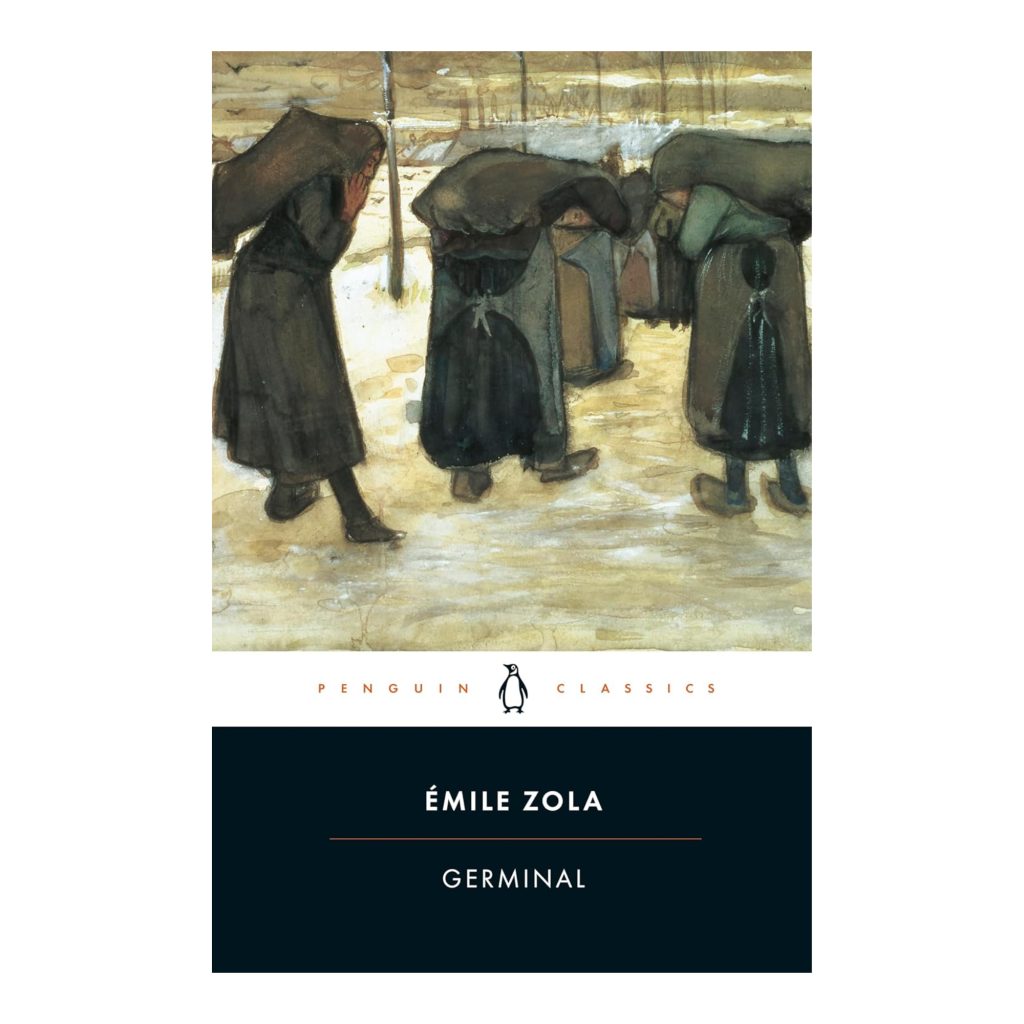
8. Germinal by Émile Zola
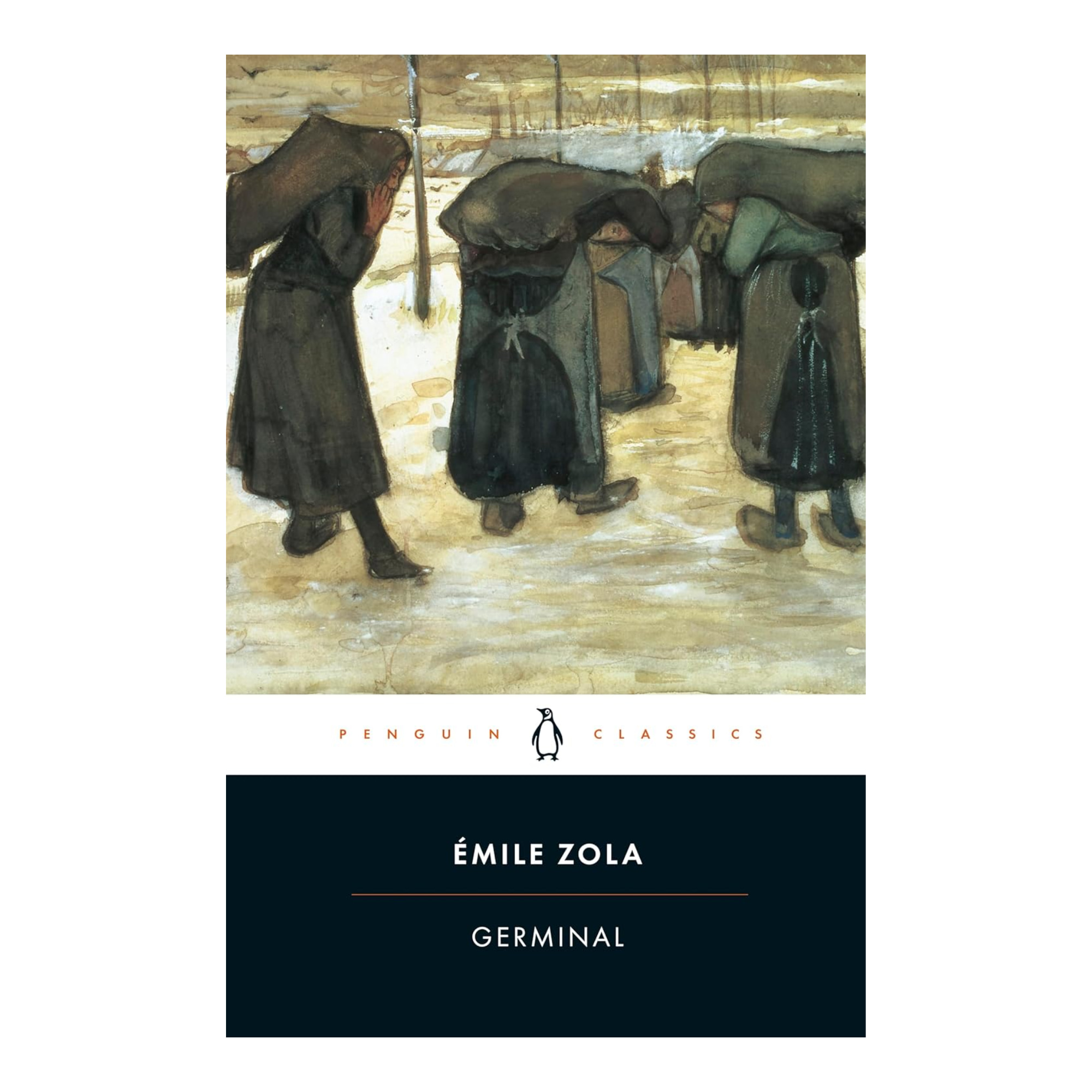
This one is not an easy read emotionally (though, to be fair, many classic French books aren’t)!
Set in a northern French coal mining town in the 1860s, the novel follows Étienne Lantier, a young migrant worker who arrives in Montsou searching for work in the dangerous coal pits. As conditions worsen and tensions rise among the miners, Étienne eventually emerges as an unexpected leader of a strike movement.
Émile Zola’s depiction of mining life was meticulously researched. He spent time in northern France in 1884, visiting mining communities, observing working conditions firsthand, and even descending into active coal pits.
Like many of Zola’s works, the novel is very naturalistic, focusing on environment and circumstance as forces that shape human behavior. He was sometimes criticized for less “rounded” characters than writers like Balzac or Dickens, but that was partly intentional. Zola deliberately rejected overly romanticized portrayals of humanity. Instead, he often creates larger-than-life settings themselves. In Germinal, this is the mine Le Voreux, which becomes something almost alive, a force as oppressive as any human character.
Another interesting detail: the title Germinal comes from the French Revolutionary calendar, where it refers to a spring month associated with renewal, fertility and new growth.
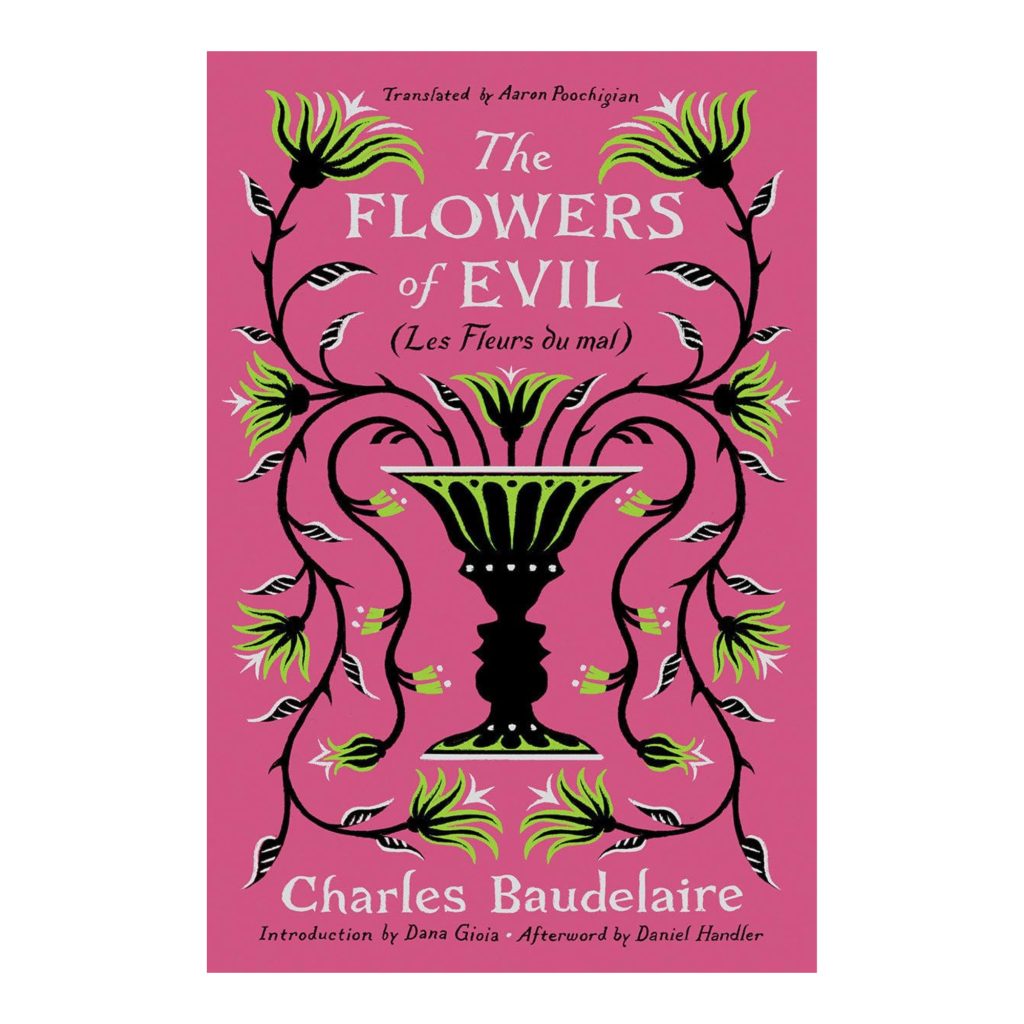
9. Les Fleurs du Mal (The Flowers of Evil) by Charles Baudelaire
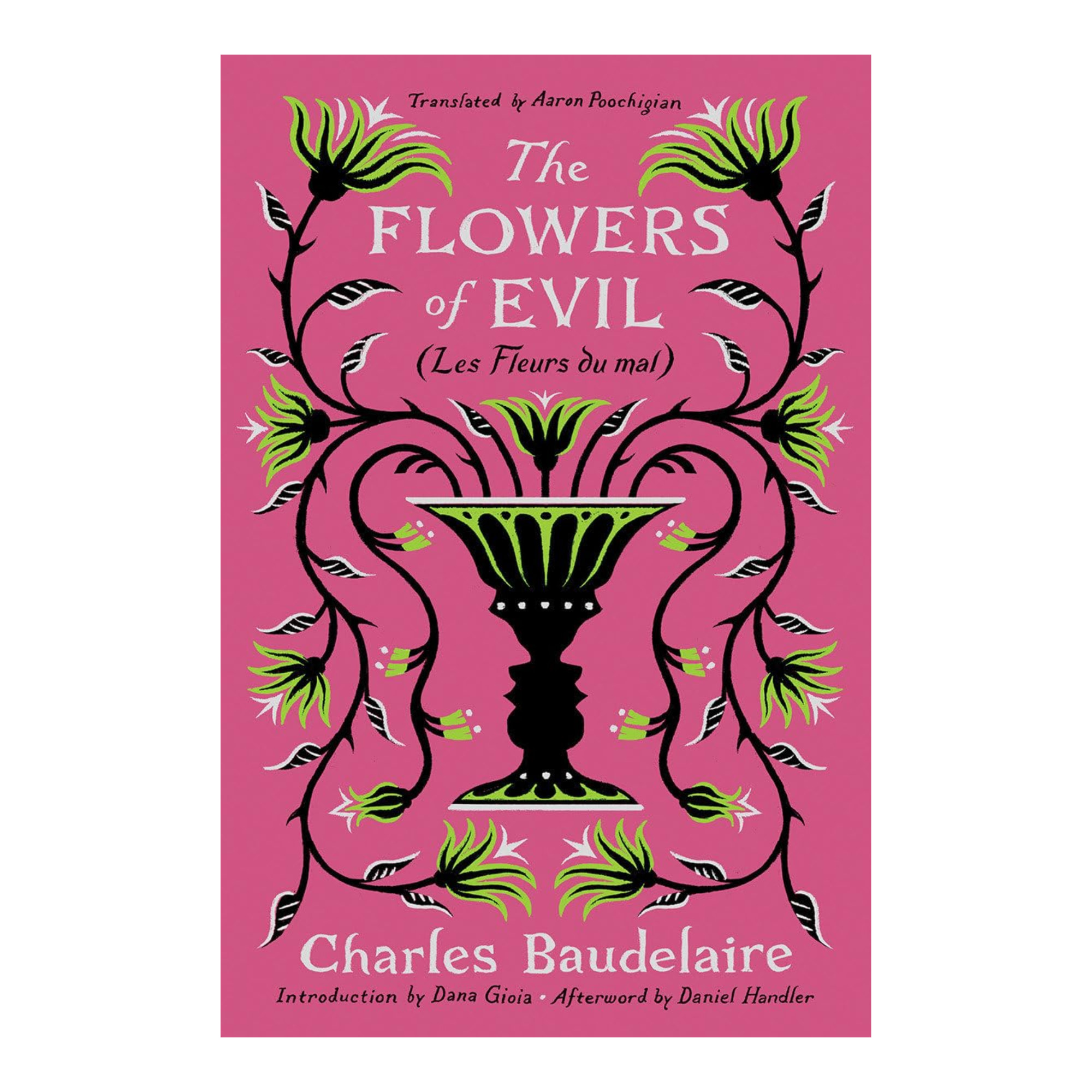
First published in 1857, Les Fleurs du Mal (The Flowers of Evil) is one of the most influential poetry collections ever written. Baudelaire transformed French poetry by finding beauty in places most writers avoided. Through unconventional imagery and forms, his poems explore themes of desire, eroticism, decadence, beauty, death, and suffering.
Like several other French classics on this list, Les Fleurs du Mal sparked outrage when it was first published. The collection was prosecuted for obscenity, and six poems were banned for allegedly offending public morality. The scandal only cemented Baudelaire’s reputation as a literary revolutionary.
Today, the collection is considered a masterpiece of French poetry. Its innovative style helped lay the foundation for the symbolist and modernist movements and influenced generations of writers, including Verlaine, Rimbaud, and Mallarmé.
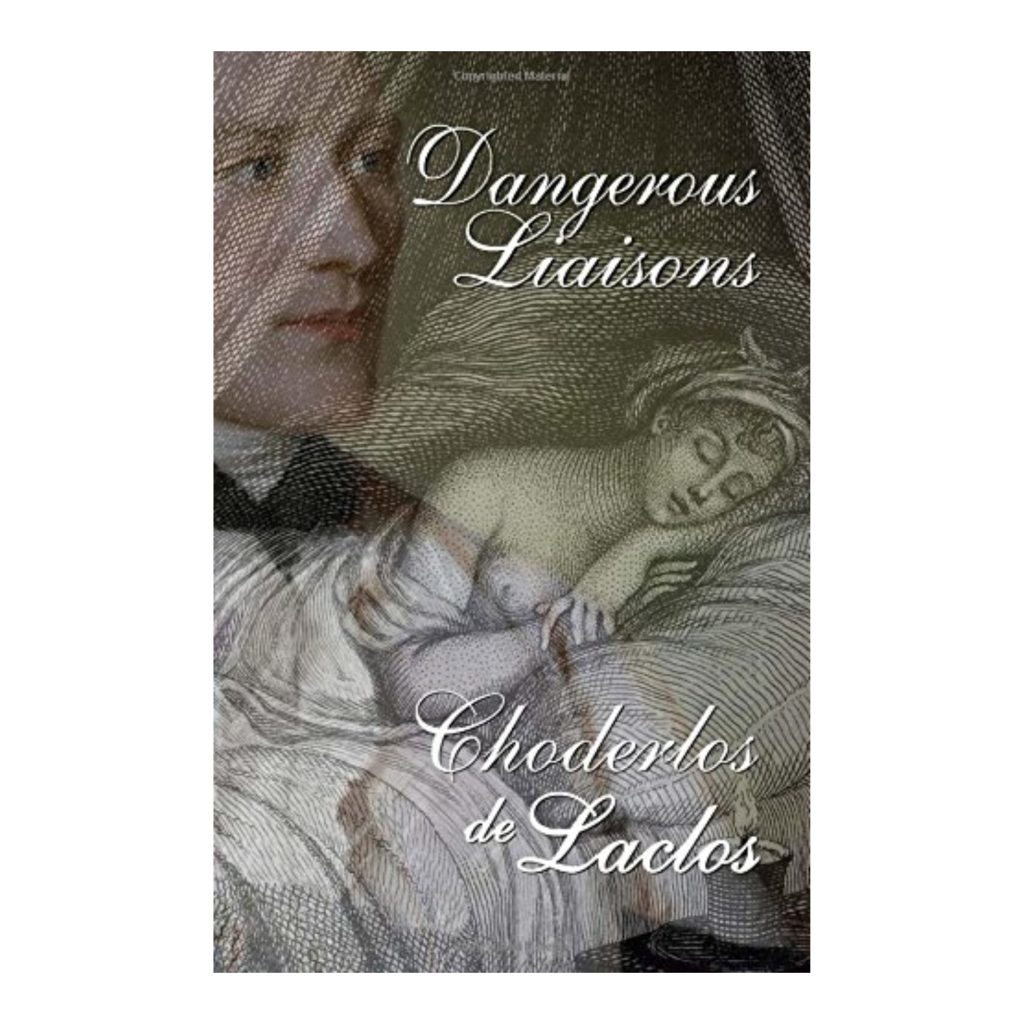
10. Les Liaisons dangereuses (Dangerous Liaisons) by Pierre Choderlos de Laclos
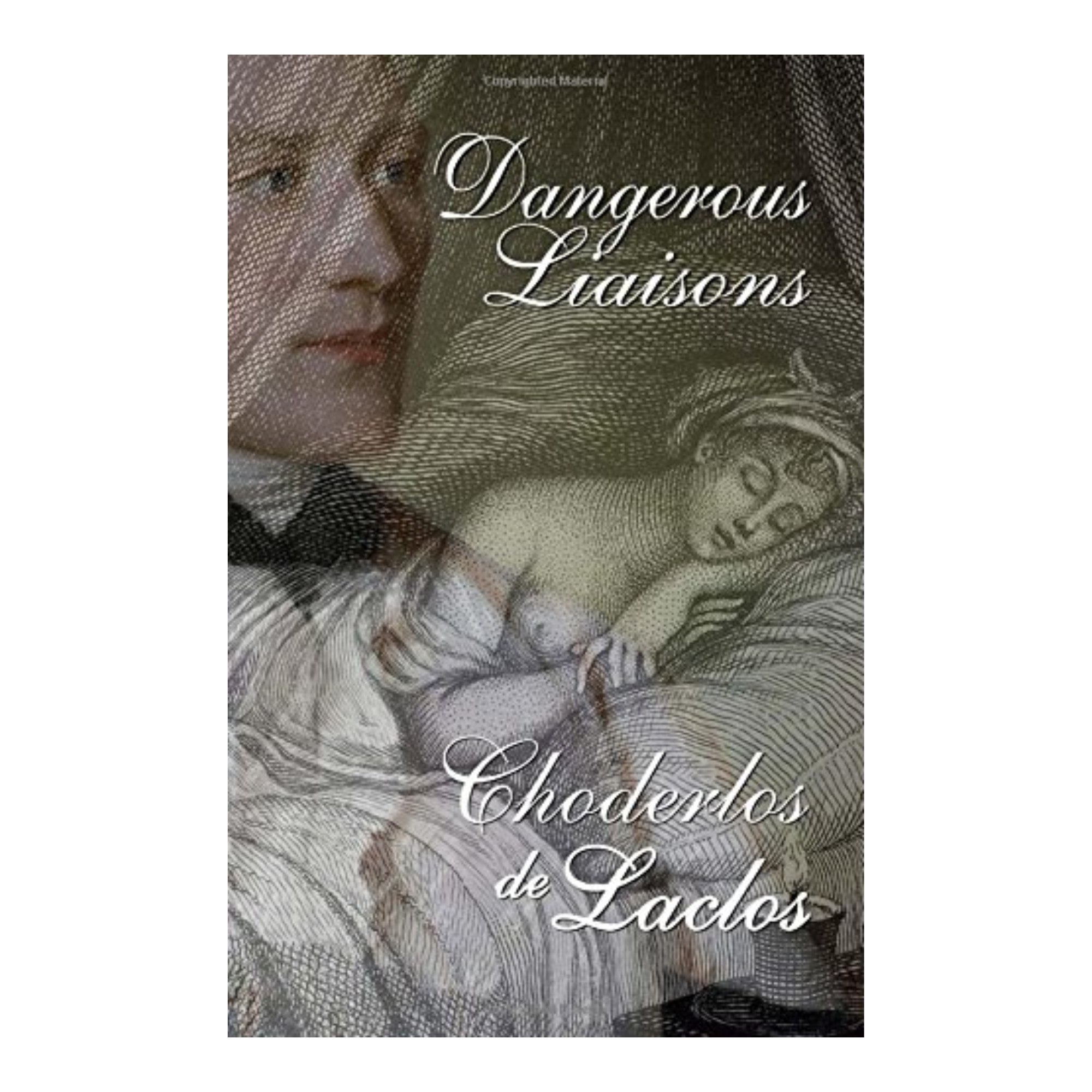
Published in 1782, Dangerous Liaisons is an epistolary novel, meaning the entire story is told through letters.
The central figures, the Marquise de Merteuil and the Vicomte de Valmont, start as former lovers and become rivals.
Through their correspondence (and the letters of those around them) the story unfolds as they target innocent victims, orchestrate seductions, and destroy reputations—all for entertainment and power. Their “dangerous liaisons” spiral into betrayal, revenge, and ultimately their own downfall.
One of the most important early French novels, it’s often read as a critique of the moral corruption and superficiality of the French aristocracy in the years leading up to the Revolution.
Fun fact: it has inspired several movie adaptations, including Dangerous Liaisons (1988) and Cruel Intentions (1999).
Shop
Classic French Books
So there you have it, the top 10 French classics, with 10 very different reasons to pick them up. You don’t need to read them in order, and you definitely don’t need to read them all this year. Start with whichever one sounds most interesting to you, and jump right into French history and culture. Bonne lecture !
Discover More on French Culture
- 10 French Lifestyle Books to Help You Live Like a True Parisian
- The 6 Best French Newspapers in English
- 20 Best French TV Shows to Learn French in 2026
What is your favorite classic French book? Have you read any of these or plan to? Let me know in the comments below.


