This blog post may contain affiliate links. I may earn a small commission for any purchases made through these links. Click here for the disclosure statement.
French living isn’t just about where you are. It’s about how you move through life: savoring simple pleasures, choosing quality over quantity, and being present for every moment.
Before moving to France, I used to imagine a stereotypical French lifestyle. One that involved waking up in an immaculate Haussmannian apartment, fresh croissants on the daily, and long, lazy lunches (always with a bottle of wine). These clichés might not be entirely accurate, but there’s no doubt that the French way of living is leisurely and pleasure-driven.
Having lived in Paris, Brittany, and now Strasbourg for the past six years, I’ve seen firsthand what it truly means to live à la française. I write about my experiences often as a French lifestyle blog, but I wanted to create a comprehensive guide, a sort of “starter kit” on how to be French (or at least live like you are).
Whether you’re in New York, London, or a small town in the Midwest, you can bring a touch of the French way of life into your daily routine. Here’s how to embrace the French lifestyle, wherever you are.
Mindsets for a French Lifestyle
Cultivate Joie de Vivre
French joie de vivre is all about finding joy in daily life, whether it’s savoring your morning coffee, keeping fresh flowers on your desk, or indulging in a good book. Slow down. Appreciate your meals. Engage in deep, meaningful conversations. Find beauty in your surroundings. Living a French life means making room for pleasure and presence, even in the most mundane moments.
Although the French aren’t typically known as the most “joyful” people, the concept of joie de vivre is less about outwardly expressing constant positivity and cheerfulness (as many of us Americans tend to do), rather a balanced, mindful approach to life.
In my opinion, this is one of the most life-changing French habits that you can adopt and forms the foundation for everything else in this guide.
Live Slowly
It’s easy to get swept up in the hustle and bustle of daily life, but the French? They aren’t in a rush. They know how to slow down and enjoy the present.
You can start by lightening up your routine. Allow yourself a leisurely breakfast without the pressure to check emails or scroll through social media. Step away from the to-do list for a few minutes and really be in the moment.
Even after work, the French prioritize quality time over ticking off tasks. An after-work apéro with friends is far more important than squeezing in that last chore. It’s about shifting the focus from endless productivity to connection and relaxation.
This slower pace isn’t just about small moments either; it extends to bigger life decisions too. When it comes to marriage, education, or having children, the French are intentional. They take their time to consider what’s truly right for them, not what society expects. There’s less of a hurry to meet milestones or follow a prescribed timeline than there is in the U.S.
Maybe we can’t all do the same sans the strong social support systems and free education, but we can make thoughtful choices at every stage of life. By adopting this mindset, you’ll create space for what truly matters and experience a deeper sense of satisfaction in the everyday.
Buy Less, Choose Better
In French culture, the philosophy of “less is more” is part of everyday life. Whether it’s fashion, food or friendships, the French don’t tend to overindulge as much as us Americans do, but they certainly seek out la crème de la crème.
For example, they typically buy less consumer goods but prioritize investing in higher quality. Many households own just one television and limit their screen time. French homes themselves are often smaller too (no sprawling suburbs like we’re used to in the U.S.).
When it comes to dining, the French enjoy multiple courses, starting with an apéritif and finishing with dessert. They savor smaller portions of better quality food, preferring to appreciate each bite rather than rushing through meals and consequently overeating.
The same mindset applies to their wardrobes too. Rather than chasing every seasonal trend, many French women invest in a few timeless, well-made pieces that will last them for years.
The French exigence for quality is also evident in their laws, which tend to be strict in many industries, from food production to fashion and even architecture. These regulations help maintain high standards and protect consumers, whether it’s by banning certain additives in food or limiting fast fashion.
By embracing a quality-over-quantity approach to life, you’ll not only experience less financial stress (buy better, buy less), but be able to focus on what truly matters.
Set Boundaries
The French don’t apologize for protecting their time. They don’t glorify busyness, and they certainly don’t feel obligated to say yes to everything. If something doesn’t serve them, excite them, or align with their values, they pass. Non, merci.
Try it. Set firm work-life boundaries. Leave your office (or laptop) at a reasonable hour. Decline invitations that drain you. Make your personal time sacred. The French know that saying no isn’t rude, it’s self-respect.
I’ll admit, saying no hasn’t always been natural to me as a people-pleaser. But as I’ve gotten clearer on my goals and values in my late 20s, it’s gotten easier and easier. The French approach to rejection can still feel a bit blunt, but I’ve learned that it’s usually not cold or arrogant, just honest.
Be Discreet
Less is more. The French tend to keep parts of their lives just for themselves. They don’t feel compelled to overshare, whether in conversation or on social media.
I’ve noticed that this same sense of restraint often carries into personal style and beauty. Instead of chasing every trend, they invest in pieces they truly love. Instead of a complicated beauty routine, they focus on looking polished and well-rested.
So take a cue and share selectively. Let people wonder a little. The less you say, the more interesting you become.
Love Like the French
Passion, playfulness, and a bit of nonchalance, that’s the French way. Love is about chemistry and confidence, not constructing the “perfect” couple. French relationships embrace independence. Couples flirt, tease, and keep things exciting. They don’t rush into labels, and they certainly don’t obsess over timelines as much as we do in the U.S.
Instead of overanalyzing, enjoy the moment. Prioritize experiences over expectations. And always, always leave a little room for mystery.
Romance exists outside the context of relationships too. It might be lingering over a glass of wine with friends, fresh flowers on the kitchen table, or taking the scenic route home simply because it’s beautiful.
Whether you’re single or partnered, look for opportunities to bring more romance into your routine. Plan thoughtful dates, flirt a little, dress up for no particular reason, or simply make ordinary moments feel more special.
The Art of Eating Well
Embrace Mealtime
One of the biggest lessons I’ve learned from living in France is that meals are practically sacred. Breakfast may not be the most important, but lunch and dinner are almost treated as events.
It’s not uncommon for students and employees to go home for an hour or two in the afternoon to eat lunch with family. Even a quick lunch with colleagues is intentional. People sit down, eat slowly, and actually enjoy their food instead of multitasking through it.
Dinner in France traditionally has multiple courses, starting with an entrée, followed by a main dish (plat), cheese, salad, and dessert. Of course, not every evening meal is this elaborate, but the intention remains the same: to prepare something good and take the time to savor it.
Even my French friends who eat dinner on the couch in front of a screen, slow down to enjoy each bite.
Say ‘Non’ to Snacking
The French aren’t big on snacking. In fact, many French advertisements even warn against snacking between meals. I was surprised by this when I first moved to France, especially coming from the States where this habit is incredibly common.
These warnings make more sense, however, once you understand the typical French diet. The French generally eat three large meals a day, often rich cream, cheese, butter, and of course, a piece of baguette on the side.
So instead of mindlessly munching throughout the day, lunch and dinner are the main events, and they’re meant to be balanced and filling so you don’t need to snack later.
Children in France do get an afternoon snack, known as a goûter, which literally means “to taste.” However, this snack typically consists of yogurt, fruit, applesauce or even a small piece of bread.
Shop at the Farmers’ Market
Food is sacred in French culture, so it’s no wonder the French prefer to shop for fresh, seasonal, and locally-produced ingredients. Luckily for them, there are farmers’ markets open year-round in most parts of France. Here in Strasbourg, you can find a marché almost every day of the week.
Whenever possible, visit your local farmers’ market to do your shopping (and don’t forget to bring a market bag). If you can’t make it to the market, look for seasonal produce at the grocery store.
Beyond the market, the French also frequent the traiteur (deli/caterer) and other specialty shops for quality goods. Think meat from the butcher, bread from the boulangerie, and desserts from the patisserie.
The layout of French cities makes it easy to do all of your shopping quickly on foot, which isn’t a luxury for many of us in the U.S. But when you can, take the time to shop with producers in your area, even if it’s just for one or two items.
One of the best products to buy locally is actually honey. Consuming raw honey with local pollen and nectar can help build immunity to allergies caused by that same pollen. And of course, it’s perfect to drizzle on a baguette or crepe.
Buy in Small Batches
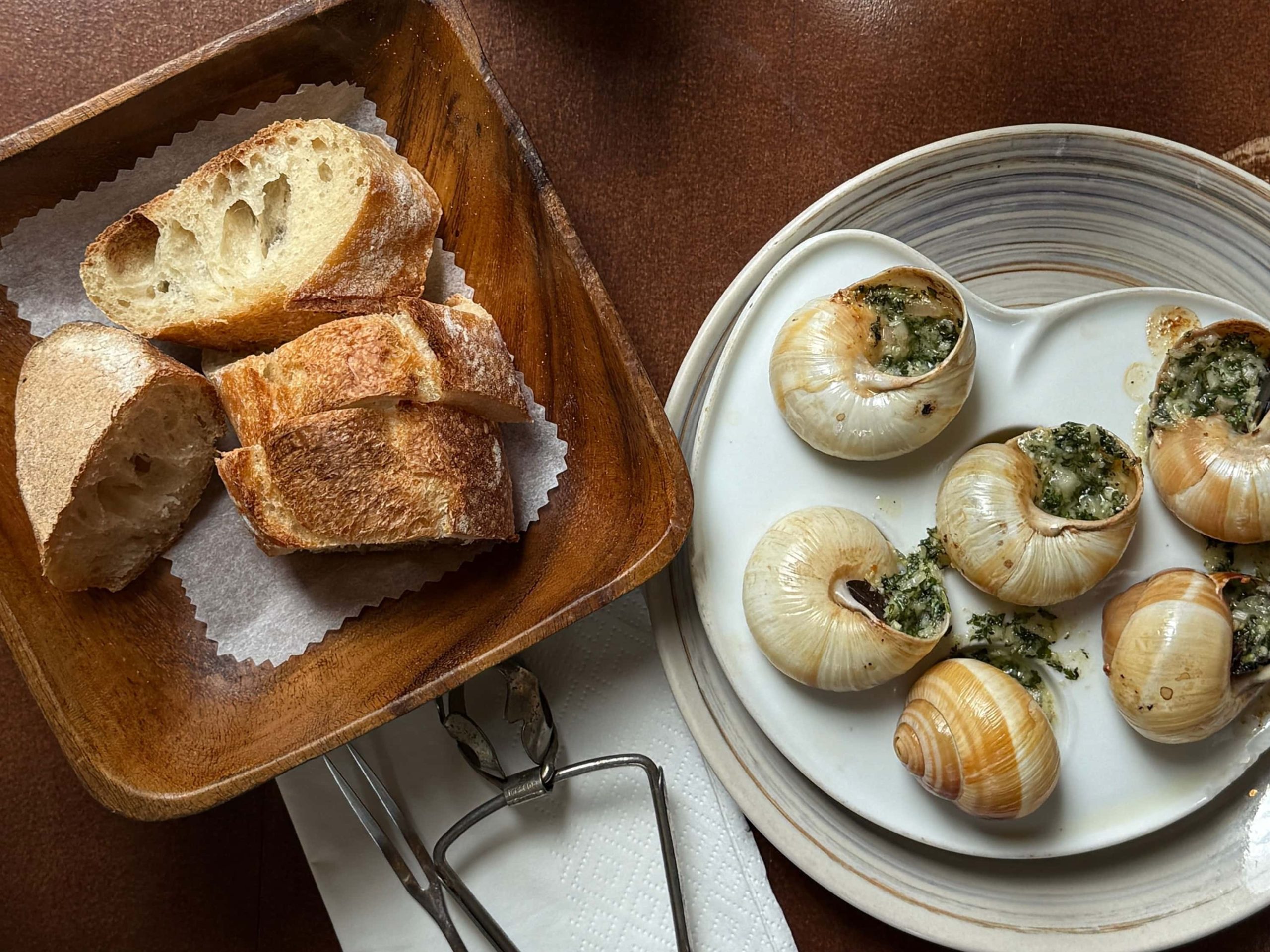
Instead of overstocking the pantry, the French shop in small quantities, buying just what they need for the next days or week. This approach not only keeps food fresh, but also reduces waste and can end up saving you money in the long run.
When I lived in Brittany, I went grocery shopping every week with my partner’s grandpa. We’d go to the supermarket to help him stock up on packaged goods and household essentials. Then, he would walk to the marché almost every day for fresh produce and meat.
This European grocery shopping method may not be practical for everyone, especially in the U.S., where a trip to the store usually means hopping in the car, but there are ways to make it work. Try splitting your grocery shopping into two trips a week instead of one. Maybe visit the farmers’ market on the weekend, and then plan a mid-week grocery run for your other essentials.
Choose Quality Over Quantity
French cuisine is often associated with butter, cheese, bread, and wine, yet France consistently ranks among the healthiest countries in the world. Part of the reason is that the focus tends to be on quality rather than excess.
Instead of going after the latest diet trend, the French generally prioritize fresh ingredients, balanced meals, and foods they genuinely enjoy. A flaky croissant from a neighborhood bakery is appreciated and savored, not eaten mindlessly on the go.
Intermittent fasting, or jeûner, is also quite popular in France, even if it is unintentional for many people. A typical French breakfast is often a slice of baguette with butter or jam, or sometimes just a coffee. As a result, it’s easy to skip it altogether and have a longer fasting period before lunch, without it feeling like a “diet rule.”
The point isn’t restriction, but learning to enjoy good food without guilt.
Appreciate Wine
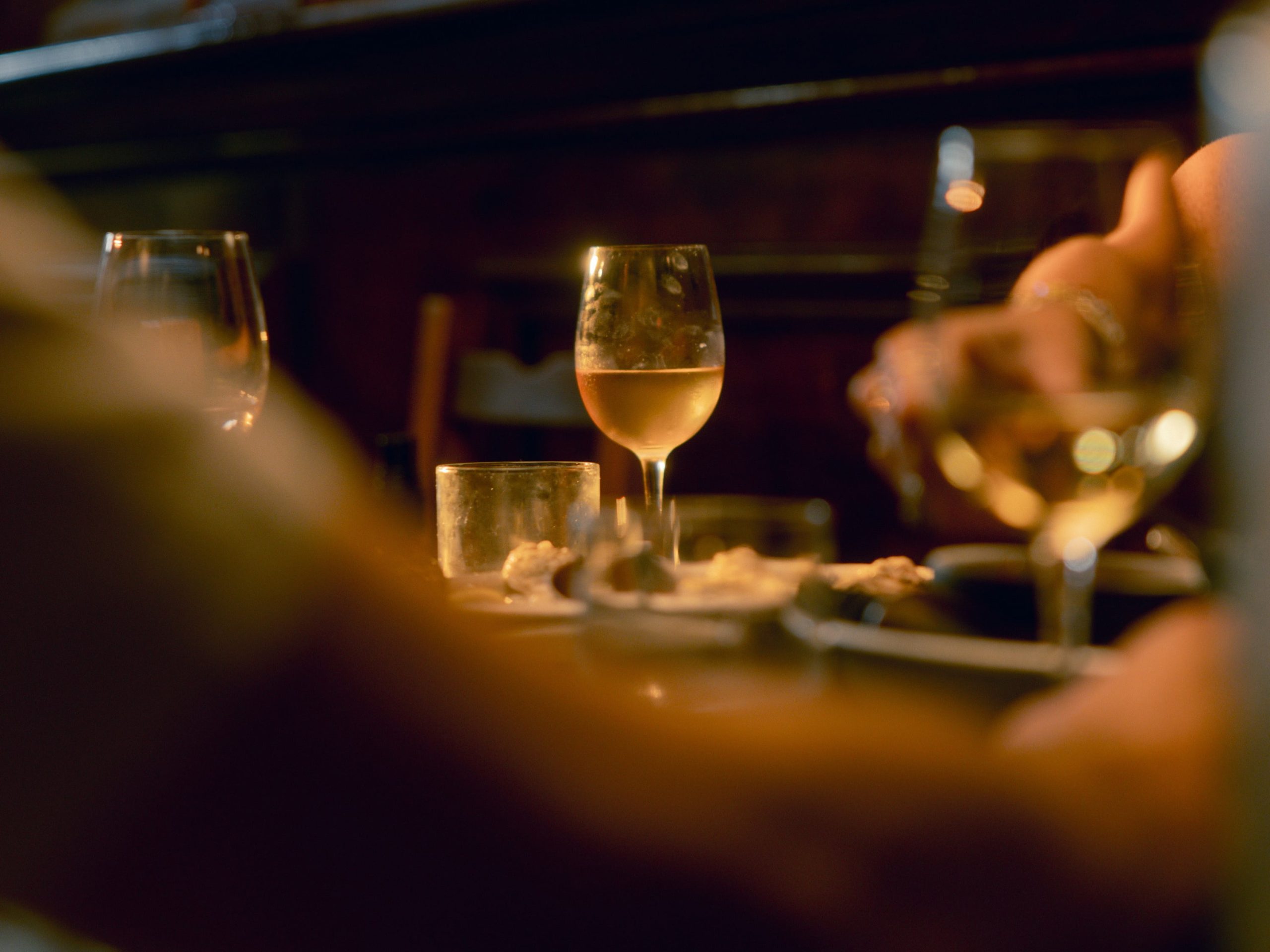
In France, wine is a cultural staple and a regular part of mealtime culture. Many French people grow up with an early familiarity with wine and, as a result, develop a genuine appreciation for it over time. Bien sûr, not everyone is a sommelier, but most people still know the basics of how to choose and enjoy wine in a simple, unpretentious way.
If you want to embrace this part of the lifestyle in France, get to know the different types of wine and their unique profiles, then take a little time to experiment with pairings. Whether it’s a crisp Sancerre or Muscadet with seafood or a Bordeaux or a Côtes du Rhône with a Sunday roast, learning these French wine basics is essential.
Leisurely Living
Prioritize Leisure and Pleasure
In France, pleasure isn’t viewed as something that has to be earned. It’s actually a priority for many people. Long lunches, afternoon coffee breaks, leisurely Sundays, and evenings spent with friends are considered important parts of a well-lived life. And French people don’t feel guilty for indulging either. It’s done without excess, but without apology.
Instead of rushing through your days, look for small ways to slow down. Put your phone away during meals. Sit at a café without turning it into a work session. Light candles at dinner, even on a Tuesday. Anything to make even the simplest moments feel special. The French know that life is meant to be enjoyed, not just endured.
Take a Long Vacation
The French don’t just take vacations. They take vacations. A full two, three, even four weeks off, usually in July or August when the entire country seems to be on sabbatical. They step away from work because they know that rest is productive.
Start small if you have to. Take a real weekend off with no work, no side hustles, just rest. Use your vacation days. Protect your weekends. Resist the urge to constantly check emails when you’re supposed to be resting. The world will keep spinning, and you’ll return refreshed, recharged, and more inspired than ever.
After more than five years living in France, I still struggle to take more than a week or two off at a time, while many of my French friends disappear for an entire month every summer. But one lesson I’ve picked up from living here is that life feels richer when you make room for rest and give yourself time to explore the world.
People Watch at Cafés
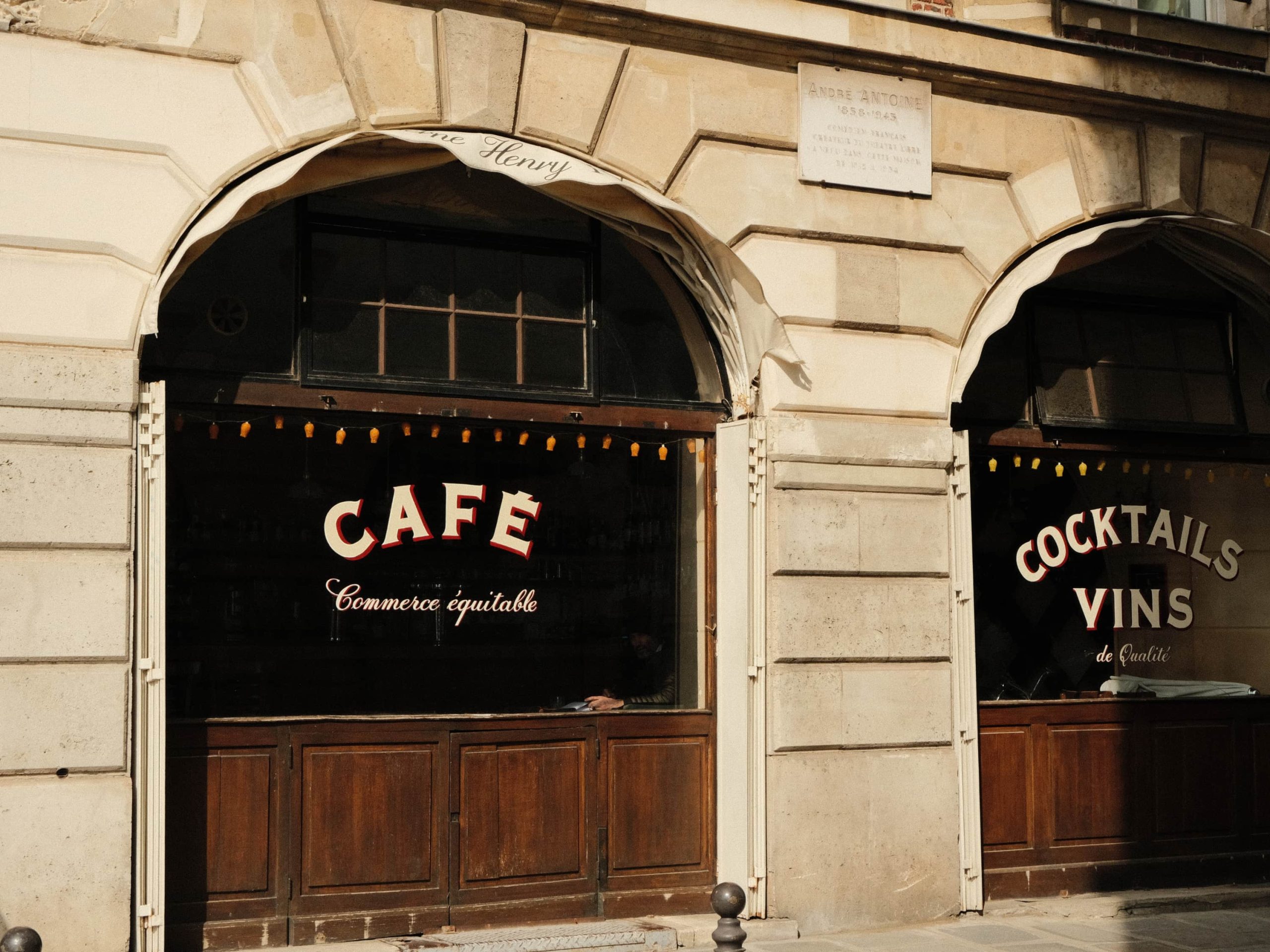
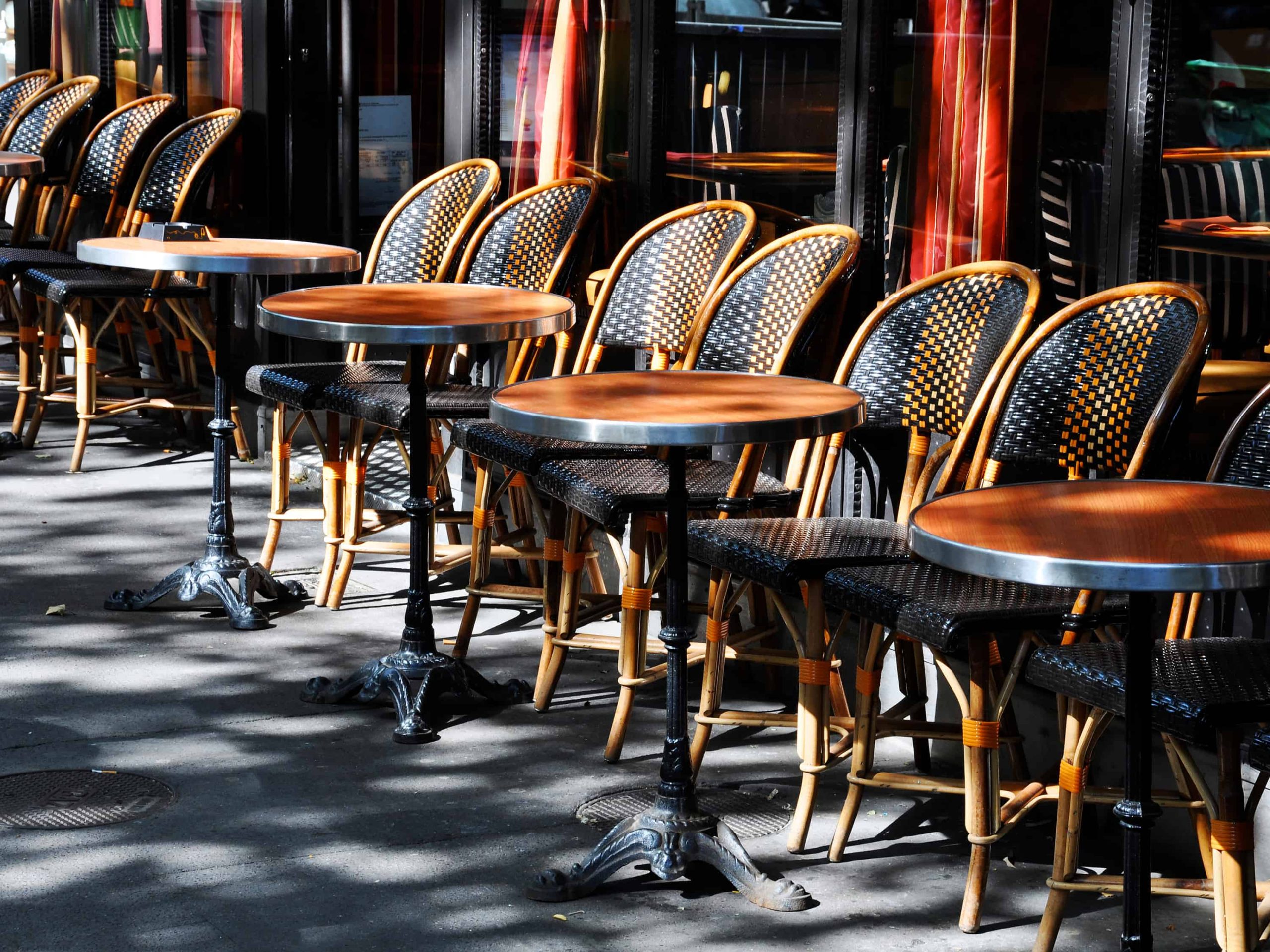
In France, cafés aren’t just places to grab a coffee to go. Even as more small specialty spots pop up around cities (like here Strasbourg), often with just a handful of indoor tables, there’s almost always a terrace designed for sitting outside with an espresso and watching the world pass by.
There’s no rush to leave and no pressure to turn it into something productive. You simply sit and observe. Bring a friend, a book, or both, and suddenly an hour can disappear without you even noticing.
This kind of café culture is something many of my American friends miss after visiting Europe. It’s one of the simplest ways to feel connected to a place without actually doing much at all!
It can be harder to find terraces like this in the U.S., where so much daily life revolves around cars rather than walkable streets. But even a local coffee shop (indoors or out) can offer a similar sense of community and pause in the day. It’s less about the setting and more about the intention of watching life unfold around you.
When I’m back in Kansas City, I’ll often go to my favorite café and just watch people come and go. Sometimes it’s familiar faces, sometimes it’s strangers you’ll never see again, but either way, it’s a small reminder to simply be part of the world around me.
Disconnect from Work
One of the most refreshing aspects of the French lifestyle is how clearly work and personal life are separated. When the workday ends, it really ends.
Emails wait. Messages can be answered tomorrow. Evenings are for dinner, friends, or doing absolutely nothing without guilt. There’s a quiet understanding that rest isn’t something you “earn”, it’s part of the structure of life.
Adopting this mindset doesn’t require a dramatic change. It can start with small boundaries: no work notifications after a certain hour, or protecting your evenings as non-negotiable time for yourself.
Spend Sundays the French Way
Sundays in France have a completely different energy than they do in the U.S. While many of my American friends and family spend the day running errands, most shops in France are closed, so it’s not an option for the French. Even big cities like here in Strasbourg can suddenly feel like a ghost town, except for the more touristy areas.
People really lean into rest on Sundays. It’s a day for long lunches with family, slow walks, reading, cooking something simple, or spending time with people you actually enjoy being around. There is a lot less pressure to be ultra productive.
Instead of treating Sunday as a “prep day” for Monday, think of it more as a subtle transition between weeks. You can tick a few items off your to-do list without having to fill every hour of the day. Live a little more slowly.
Become a Flâneur
In France, a flâneur is someone who wanders without a particular destination or sense of urgency. It’s a person who aimlessly idles around, often with a connotation of “wasting time”.
Being a flâneur might look like exploring a different part of town, taking a new route home just to see what you pass along the way, or simply strolling with no agenda other than noticing what catches your attention.
With work, chores, and other obligations, we can’t always slow down, but I love leaning into it on the weekends. When I’m out shopping or dilly dallying around the city, I’ll pop into that boutique I’ve never noticed before or take note of a restaurant I stumble across. Sometimes I’ll turn down a different street just to see what’s there.
Try it out yourself. Walk without a strict plan and see what you notice when you’re not rushing from point A to point B.
Chez Vous
Entertain Often
One thing I love about the French lifestyle and culture is that people don’t wait for a special occasion to invite friends over. An impromptu Tuesday dinner with neighbors is just as meaningful as a carefully planned Saturday gathering.
French entertaining tends to be surprisingly relaxed, too. It’s sometimes as simple as opening a bottle of wine and slicing up a baguette.
If you want to embrace a French lifestyle at home, start inviting people over more often. Keep it simple. The best gatherings are usually the ones that require the least amount of planning. And instead of overdoing it with decorations, focus more on the food. That’s always a highlight for me when attending house parties in France!
You can also make gatherings easier on yourself by having a few things always on hand so you’re ready to host at any moment. For the afternoon, a good selection of tea and coffee (bonus points if you happen to have a sweet treat from the local bakery). Again nothing super complicated or fancy.
Why not get started by throwing your own French-inspired dinner party?
Make Apéro a Lifestyle
If there’s one French tradition worth borrowing, it’s l’apéro. Short for apéritif, it’s the time before dinner when friends and family gather for drinks, snacks, and conversation.
Your typical French apéro usually isn’t too elaborate. A bottle of wine, beer, sparkling water, a few olives, some cheese, nuts, chips, or slices of saucisson are often all that’s needed.
Set a time (say, six o’clock) pour yourself something you enjoy, arrange a few simple things on a board or small plate, and sit down. Invite a neighbor. Call a friend to join you on a weeknight. Do it alone if you need to.
After a busy day, there’s something nice about sitting down for thirty minutes, catching up with friends or family, and easing into the evening before dinner. It does not need to happen every day. In fact, in France, it often does not. Sometimes apéro is saved for when guests arrive, or for those first sunny days when you can finally sit out on the balcony again. Other times, it is simply whenever the mood calls for it. There are no rules, and that in itself, is very French!
Curate, Don’t Decorate
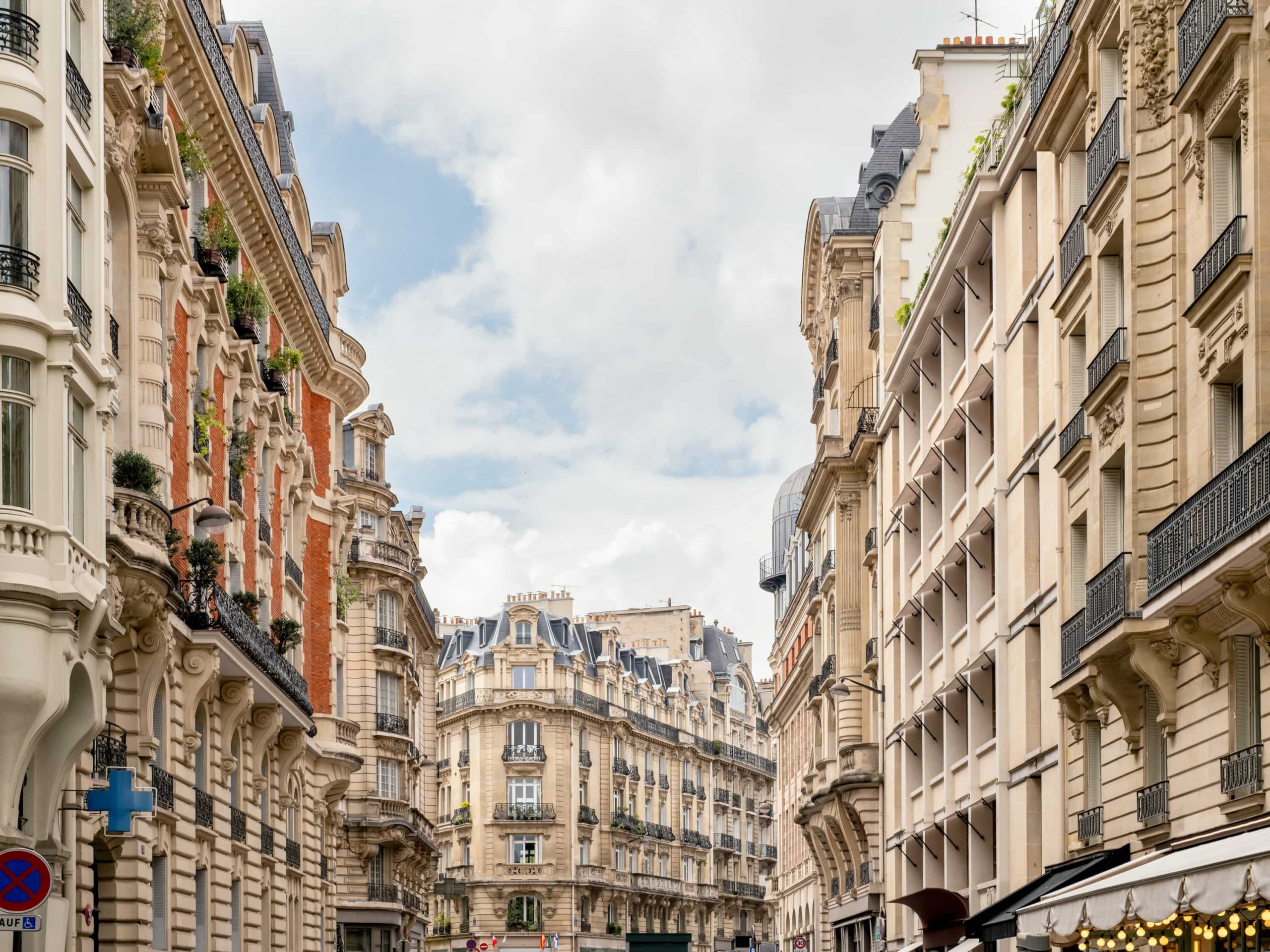
French homes rarely feel like they were purchased straight from a catalog. Maybe that’s because so many homes in France are quite old. As I write this, I’m sitting in my Strasbourg apartment building, which was built in 1901!
Many of the beautifully decorated French homes I’ve visited feel collected rather than decorated. You’ll often find antique furniture sitting alongside IKEA pieces, family heirlooms mixed with modern lighting, and flea market finds displayed next to newer purchases. In fact, this blend of old and new is one of the hallmarks of Parisian interior style.
Rather than going after every design trend, focus on filling your home with things you genuinely love. Mix vintage finds with newer pieces. Display books you’ve actually read. Bring home souvenirs that remind you of favorite trips. Choose artwork that means something to you. Let your home show your personality, not just be a collection of items you bought on Amazon.
Turn Everyday Moments Into Occasions
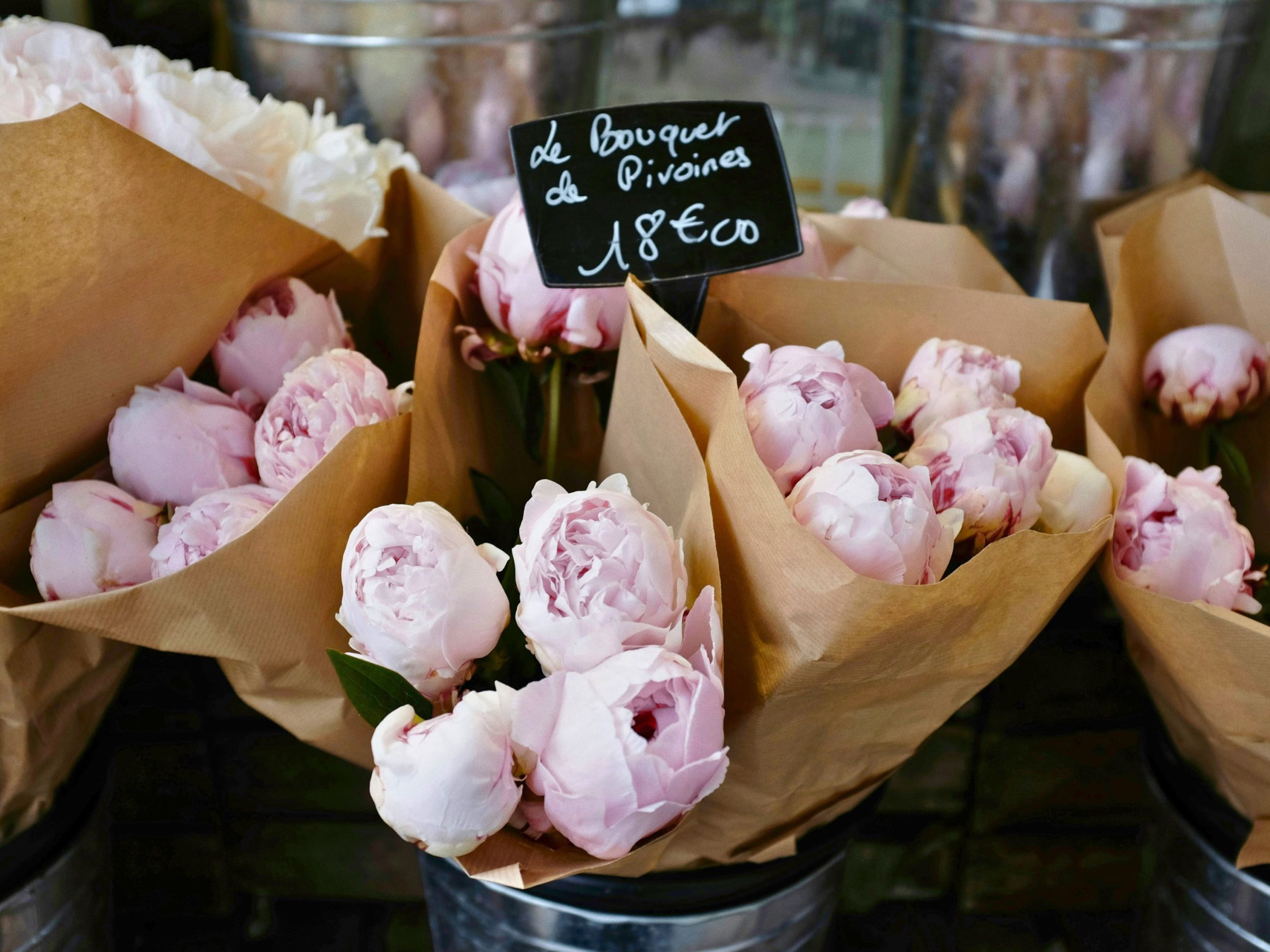
Stop saving everything for “someday.” Light the good candle. Use the pretty dishes. Buy yourself flowers on an ordinary Tuesday. Open the bottle of wine you’ve been saving. Wear the outfit you love, even if you’re only meeting a friend for coffee.
The French have a way of elevating everyday life without making it feel forced or extravagant. They understand that most of life happens in ordinary moments, so those moments deserve a little attention too.
You don’t need a special occasion to make life feel special. Sometimes all it takes is treating an ordinary day as though it’s worth celebrating.
A French Education
Read, Read, Read
The French place a high value on culture and intellectual curiosity, and reading is a big part of that. Books are seen as a way to better understand the world, explore new ideas, and engage in meaningful conversation. If you’ve ever spent time socializing with French people, you might notice a common question that comes up quickly: “Qu’est-ce que tu lis en ce moment ?” (what are you reading right now?). I’m always reading so that I always make sure to have an answer!
If you’re interested in embracing a French lifestyle, start by building a reading habit. Read novels, essays, biographies, history books, and anything that genuinely sparks your curiosity. And if you want to double your reading with a bit of French learning, check out my list of the best French books for beginners.
Speak the Language of Romance
Learning French is one of the fastest ways to gain a deeper appreciation for French culture. Even if fluency isn’t your goal (though I know for many of you it is), picking up a few phrases can help you understand the country’s mindset, humor, and way of communicating. My entire relationship with the culture shifted the more my French improved.
Listen to French music during your workouts. Watch French films with subtitles. Follow French creators online. Put on a French podcast while you cook. The more you expose yourself to the language, the more familiar it begins to feel.
And if you do decide to study French more seriously, don’t worry about sounding perfect. Most French people appreciate the effort far more than flawless grammar. Take it from me, having learned most of my French “in the wild” here in France, it really takes courage more than anything else.
Go to the Cinema
The French take film seriously. After all, cinema was born in France when the Lumière brothers first unveiled projected moving pictures in 1895 in Paris.
While I have plenty of cinephile friends back in the U.S., none of them have quite the same everyday passion for movies as my French friends do.
That doesn’t mean you need to skip the latest blockbuster though, but it does mean seeking some variety. Check out independent films, foreign cinema, documentaries, French New Wave or old Hollywood classics. Visit a local independent theater if you have one nearby, or create your own movie night at home.
A good film, like a good book, gives you something to think about for days afterward and will bring a more intentional, culturally rich mindset into your everyday life.
Seek Out the Arts
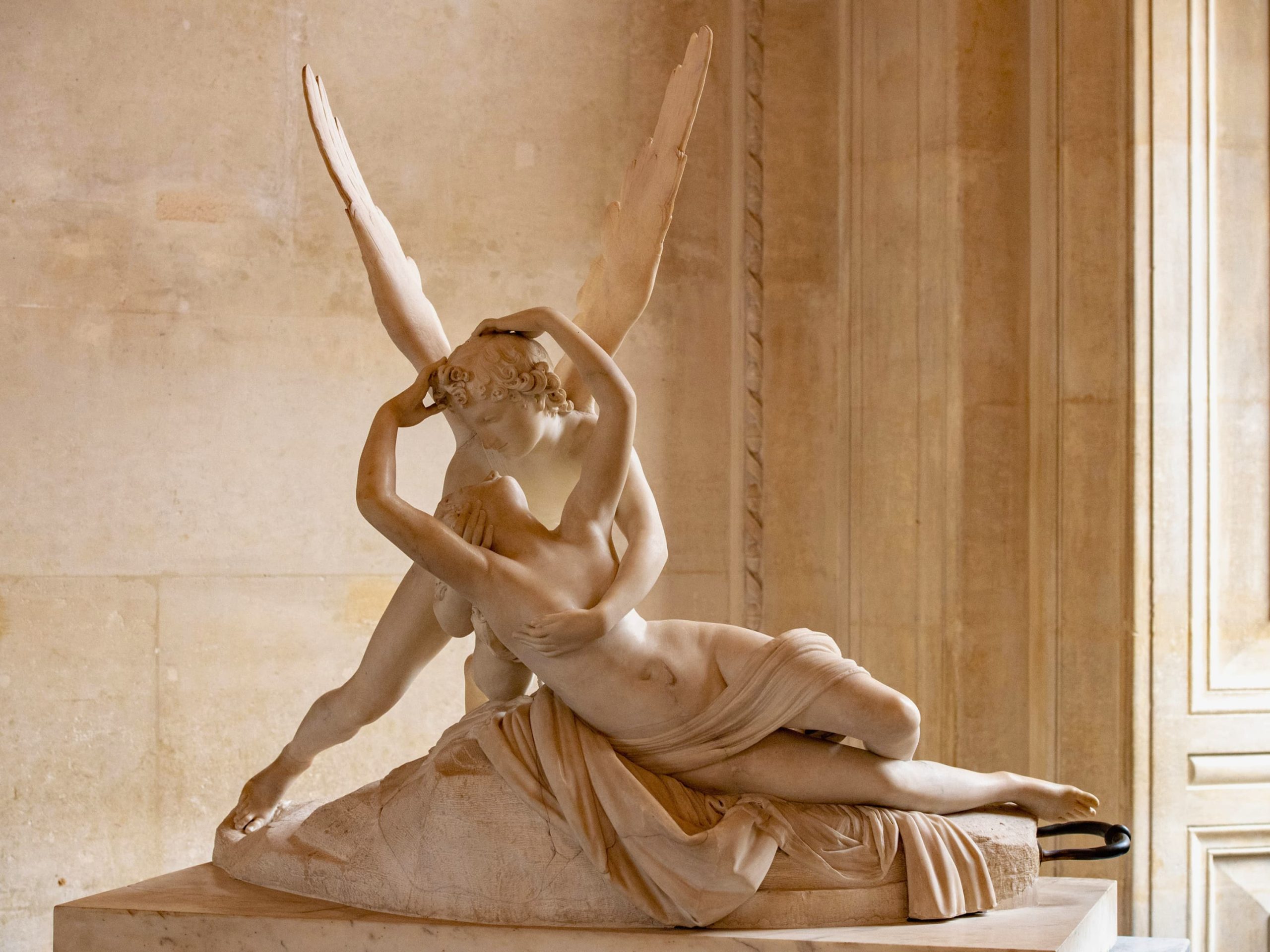
Alongside film and literature, there’s a broader cultural appreciation for the arts in France, which also includes painting, sculpture, architecture, theatre, and music.
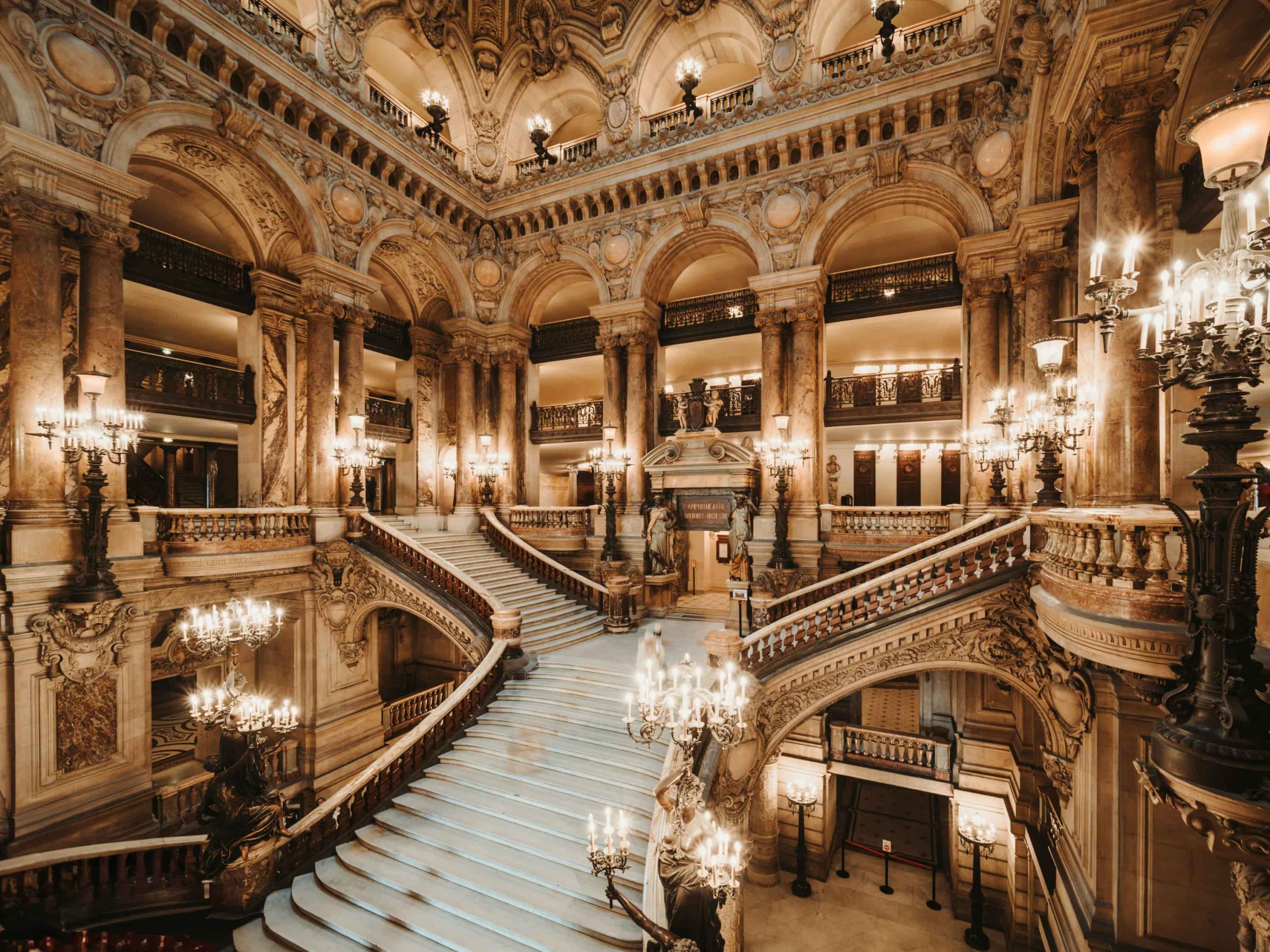
You don’t need to live near the Louvre to have this same respect. Visit museums, attend exhibitions, go to the theatre, see a concert, or browse a local gallery. Read poetry. Support local artists. Spend an afternoon exploring something creative simply because it interests you. You don’t need to be an expert to appreciate art either! Showing up and being curious is all that is required.
Make it a habit to stay up to date with what’s happening around you. One easy way to do this is by subscribing to newsletters from local theatres, opera houses, galleries, and museums (that’s what I do to stay in the loop).
Style à la Française
Dress with Intention
French style is often described as effortless chic, but that “effortless” part is more intentional than it might seem. It does take thought, but it’s not complicated, and that’s part of the appeal.
While French women express their style differently (whether it’s more Parisian, bohemian, classic, or modern), one thread I consistently notice is simply the act of getting dressed.
Even at home or on a casual day out, the default isn’t loungewear or activewear. It’s still relaxed, but put together aka a “real” outfit. This was one habit that I had to break after moving to France. I was so used to throwing on sweatpants and a T-shirt at home in the U.S., but I quickly realized that here, it is not the norm.
At the same time, there’s a misconception that French women are always dressed up. In reality, it’s quite the opposite. For example, I rarely see women in heels day to day. It’s more likely to be sneakers, loafers, or flat boots. Jeans and tailored pants are worn far more often than dresses. Jewelry is usually not super blingy either.
What makes French style so enviable is how everything is balanced. Casual pieces are paired with more elevated ones so that nothing looks too fussy. Along with that, it prioritizes clothing that fits well and more neutral colors that naturally work well together.
If you want to start forming this mindset, think in terms of a capsule wardrobe. It’s not about having more, but better. Invest in timeless, high-quality pieces that work with your own style. For me, that looks like well-fitted denim, a crisp white shirt, a tailored blazer, and a classic trench coat. You can explore more of my posts on French fashion to curate your own French-inspired wardrobe.
Adopt a Simple Beauty Routine
Most French women I know don’t overcomplicate their beauty routines. The focus is on a few high-quality products that genuinely do their job well. And as cliché as it sounds, there’s a real emphasis on letting natural beauty come through.
For skincare, that usually means keeping things consistent and minimal: a gentle cleanse, a good moisturizer, and sunscreen every single day. Beyond that, there may be a few targeted treatments (like a retinol for anti-aging or a vitamin C serum for dark spots) but rarely a long, layered routine that takes up a lot of time.
Makeup follows the same philosophy. Most women keep it very simple with a light base, a touch of mascara, and a bit of lip balm or a natural lip color. Even for evenings out, there’s rarely an overdone approach, and I rarely come across French women in full glam.
Hair is much the same. Embracing your natural texture is the norm, whether that’s straight, wavy, or curly. Air-drying is common, and styling tends to be much more low-effort. While I personally love a good blowout, I don’t often see that level of styling in everyday life here. Perhaps more in Paris with more posh women, but not day to day.
To finish it all off, fragrance is usually quite subtle. During a recent trip to Paris, I stopped into Parfumerie Burdin and ended up chatting with the sales associate about what French women actually tend to buy. She told me that woody scents are a clear favorite: warm and never overpowering.

You don’t need to be in France to live like a French woman. I hope that these tips help you to embrace the French lifestyle, wherever you are.
Discover More About French Living
- 10 French Lifestyle Books to Help You Live Like a True Parisian
- How to Elevate Everyday Life
- 10 French Sleep Habits for a Dreamy Night’s Rest
What do you think of the French lifestyle? Have you adopted any of these French lifestyle habits? Let me know in the comments below.